A FORTRESS OF FAITH
The Crown of the Plains
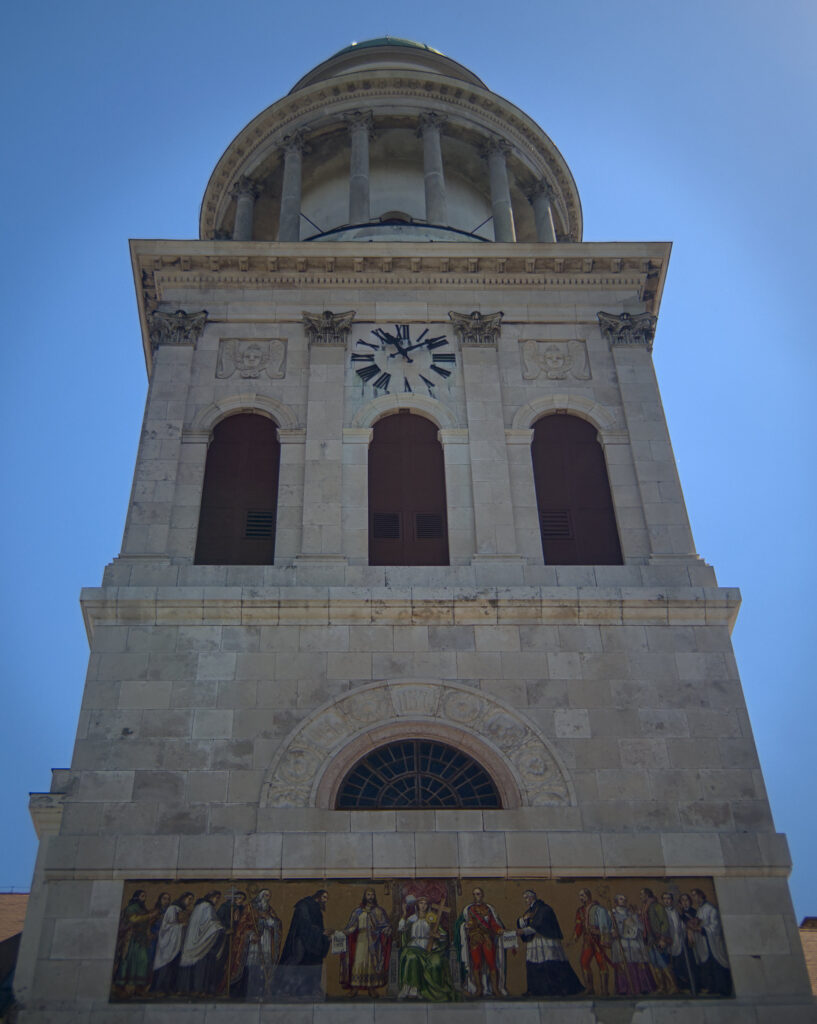
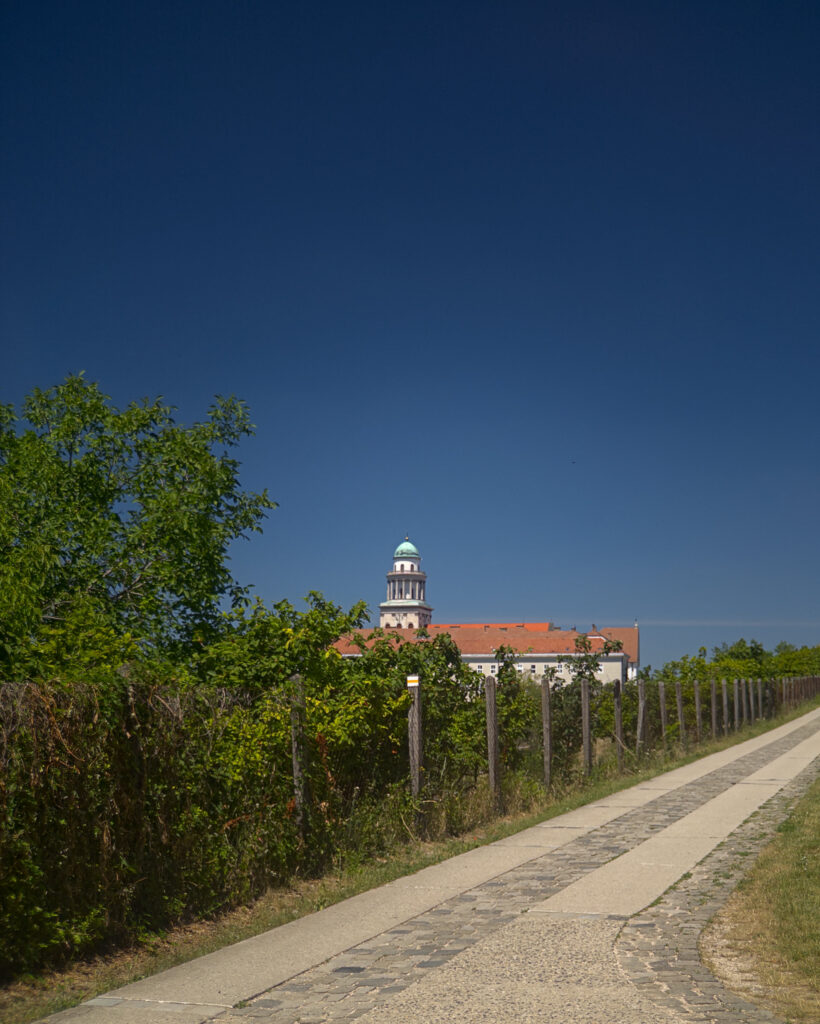
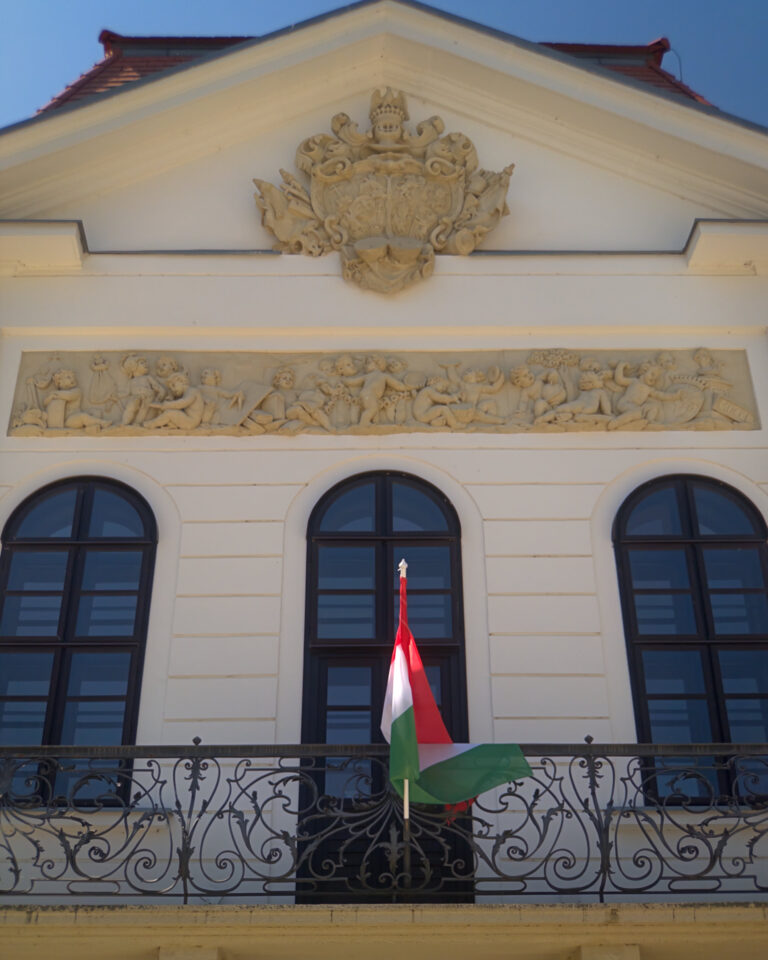
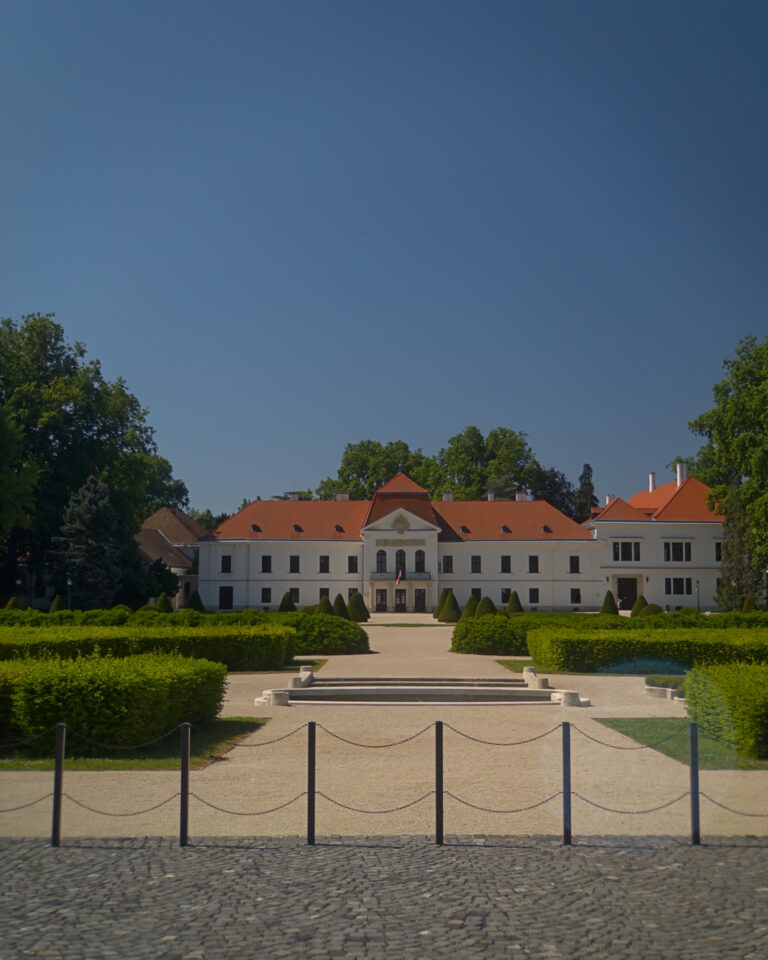
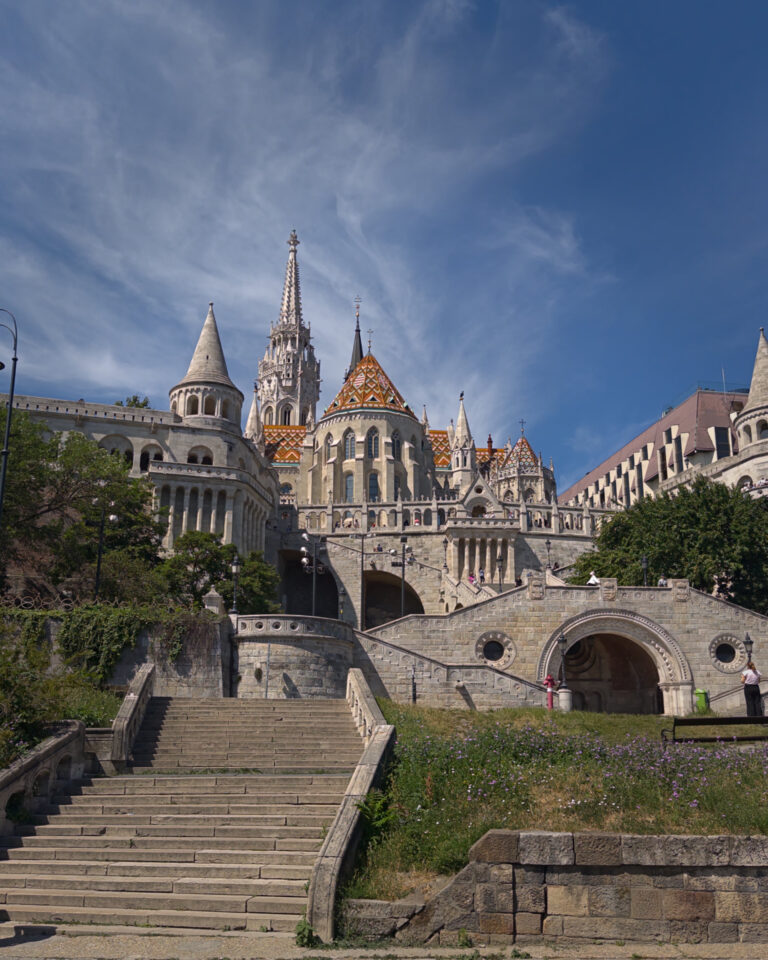
Rising majestically above the western Hungarian plains, the exterior of the Pannonhalma Archabbey commands absolute reverence from kilometers away. Its towering, fortress-like walls have weathered a millennium of history, standing as a silent witness to the rise and fall of empires, wars, and shifting borders. This is a structure built to endure, seamlessly blending the heavy, grounded austerity of its original Romanesque design with the sweeping, neoclassical grandeur that was added in later centuries.
Walking the perimeter of this massive complex offers a breathtaking, cinematic view of the surrounding valleys, dropping away into a patchwork of green and gold. The sheer scale of the ancient stone against the open sky serves as a powerful reminder that this sanctuary was built to stand eternal against the shifting tides of time. It is a crown of stone resting upon the landscape, inviting you to leave the chaos of the modern world completely behind before you even cross its monumental threshold.

THE RED MARBLE GATE
Porta Speciosa
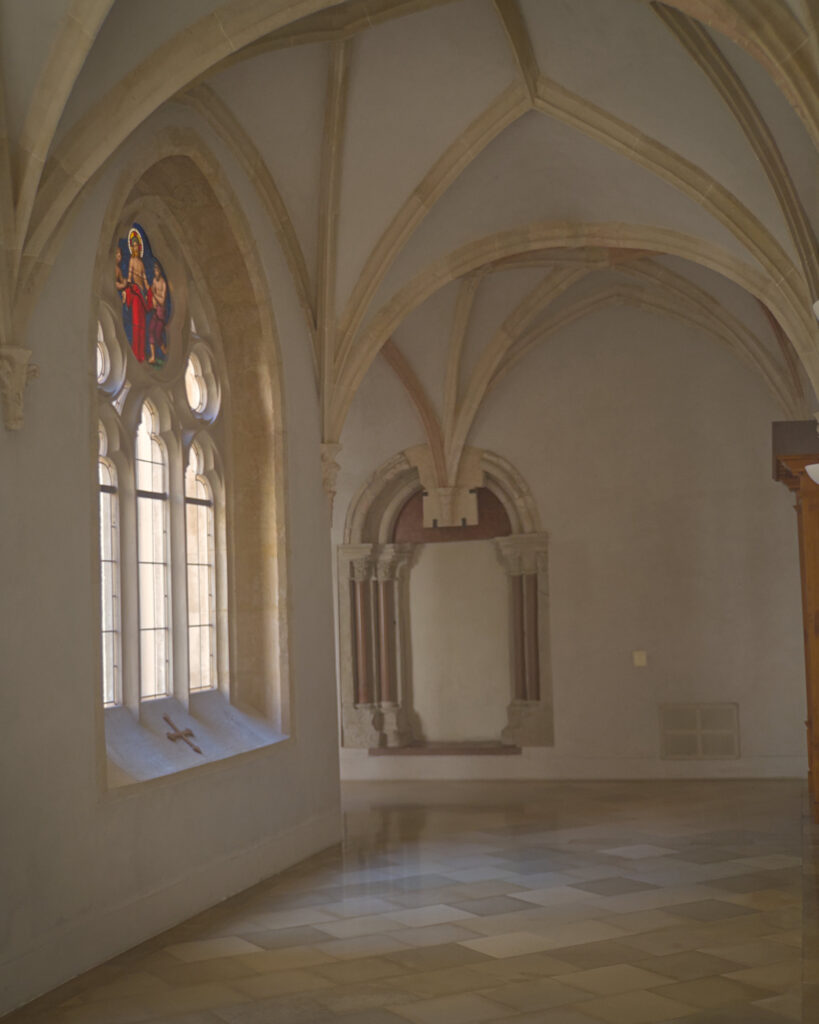
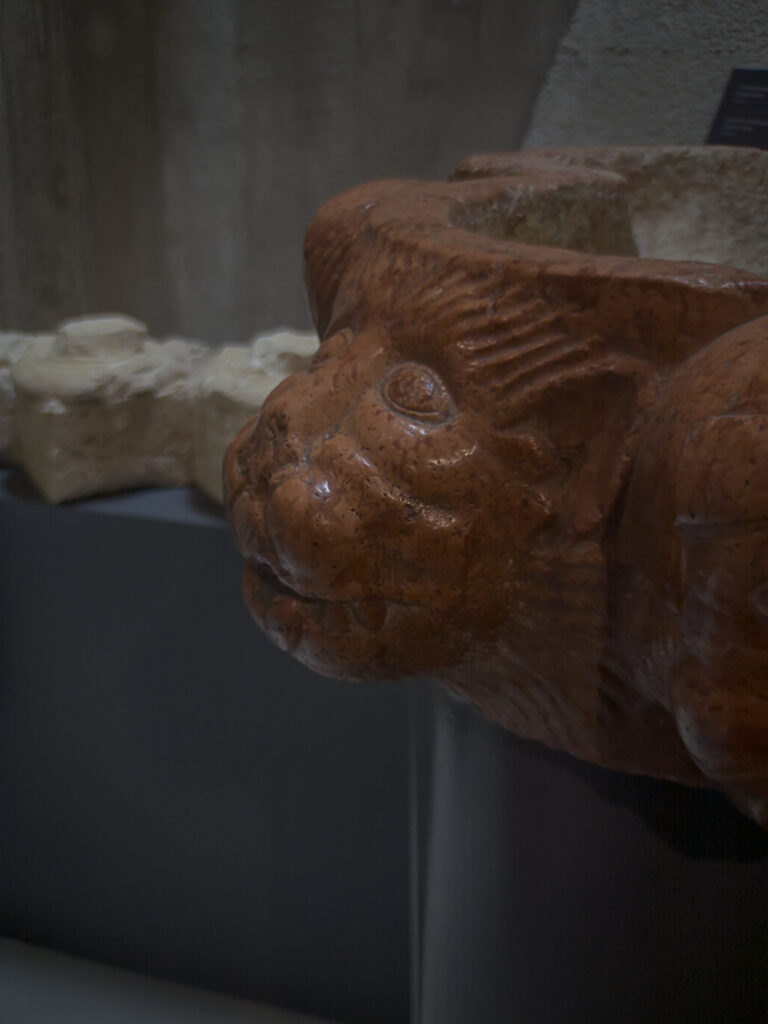
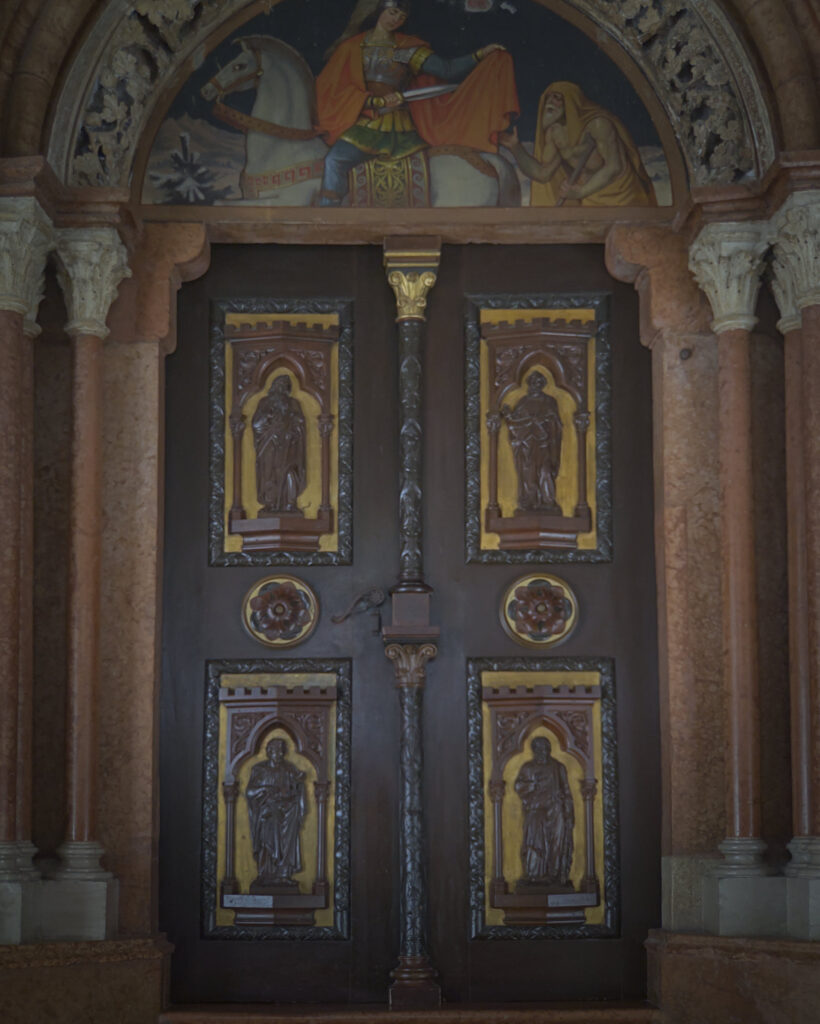
Concealed within the abbey’s massive defensive stone walls is a true, undisputed masterpiece of medieval artistry: the Porta Speciosa. Carved entirely from rich, deep red marble in the early 13th century, this “Ornate Portal” serves as the magnificent, vibrant threshold connecting the main church and the silent cloister. The striking crimson stone creates a stunning visual contrast against the surrounding pale masonry, immediately drawing the eye to its elaborate, hand-carved geometric and floral motifs.
Running your eyes over its intricate, weathered columns and vibrant stonework is a deeply tactile, emotional experience. The stone steps leading through this portal have been worn incredibly smooth by time, connecting you instantly to the countless generations of Benedictine monks who have passed through this exact doorway in absolute, contemplative silence for over eight centuries. It is a quiet, stunning testament to medieval craftsmanship and the enduring devotion of those who walk these halls.
THE MONASTIC BLOOM
The Lavender Fields of Pannonhalma
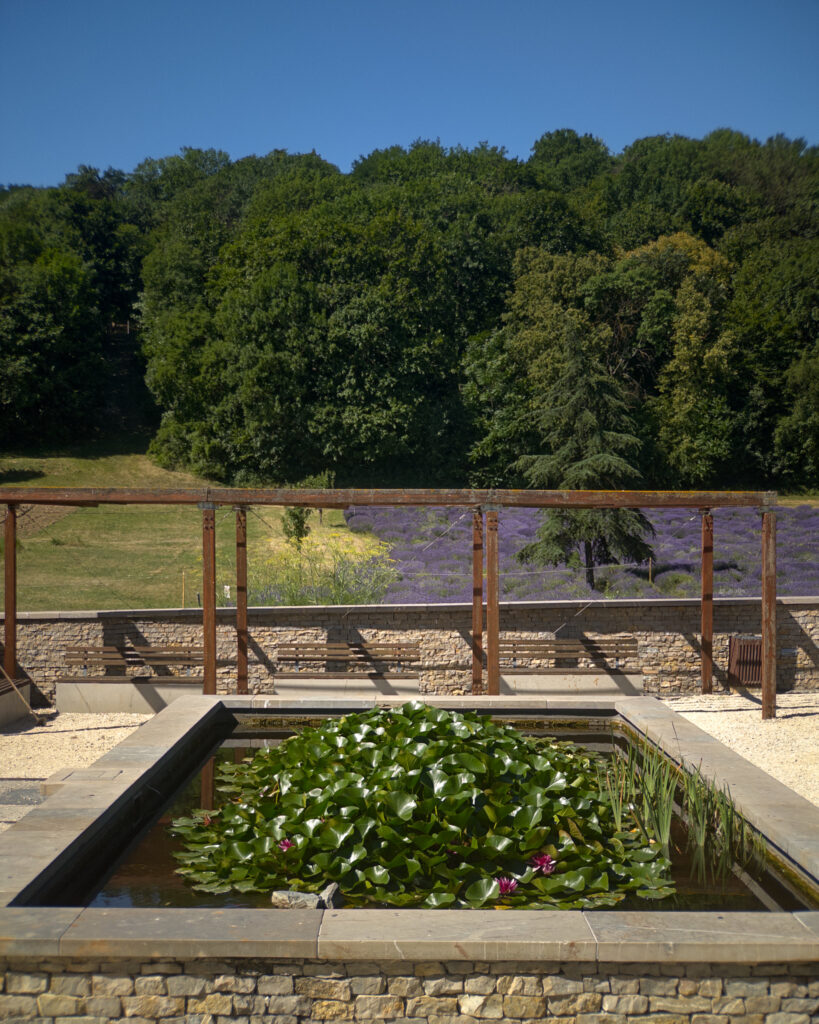
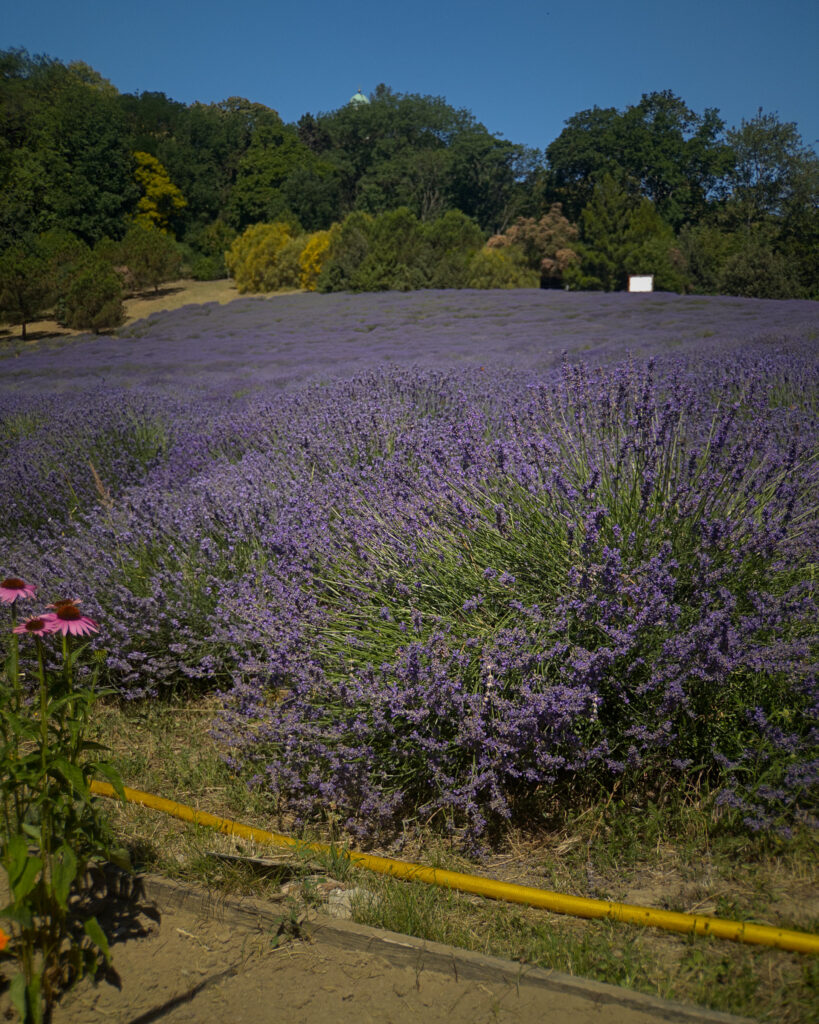
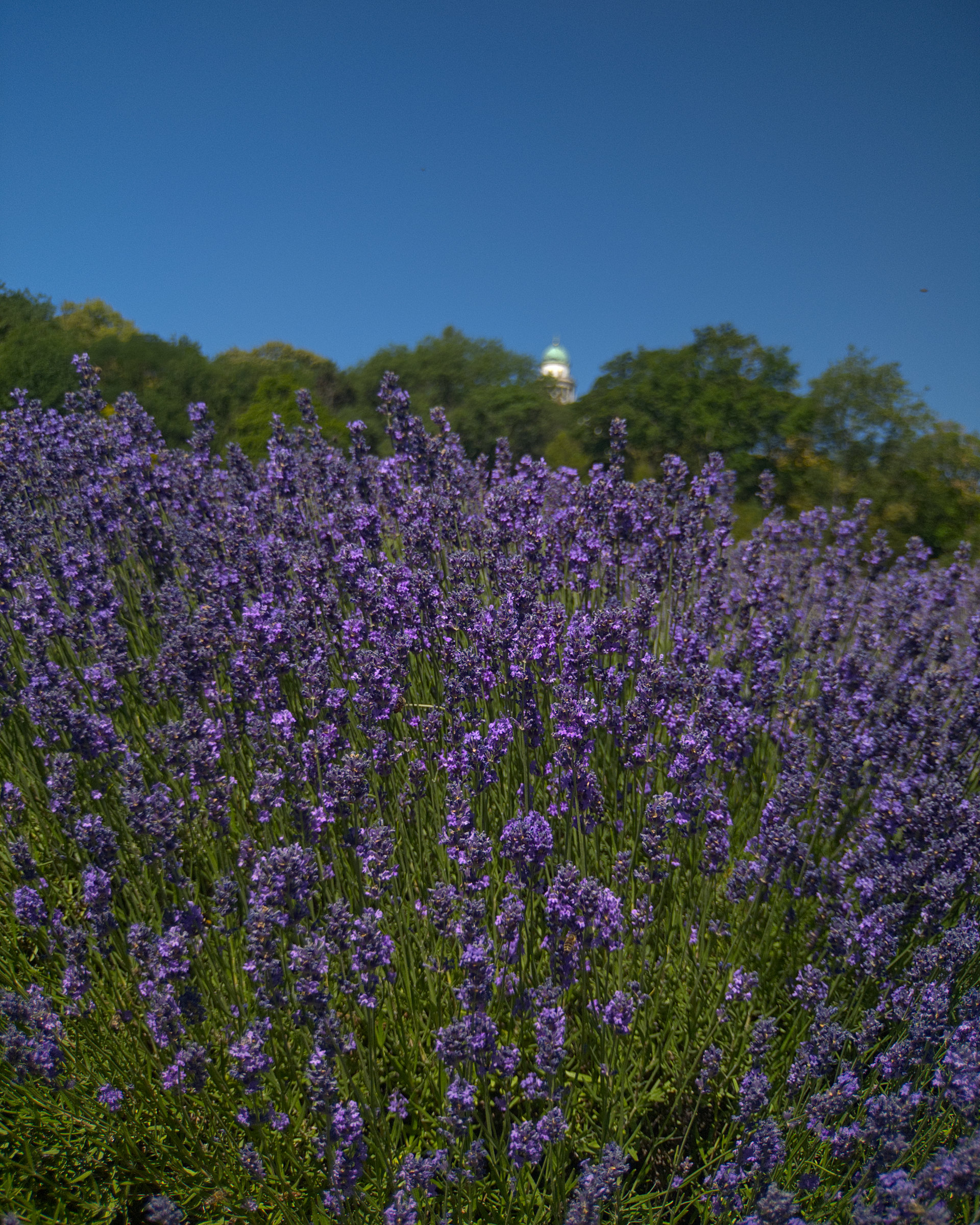
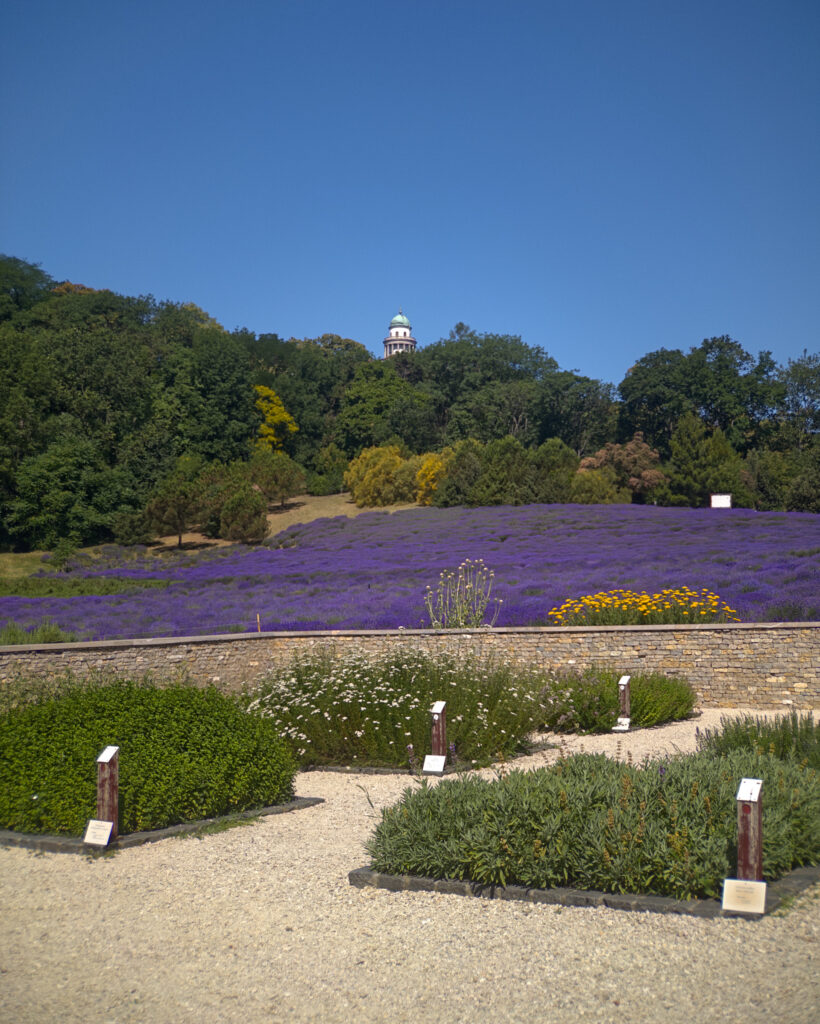
High on the sacred hill of Pannonhalma, far beyond the ancient stone walls, the atmosphere softens and the air itself begins to feel profoundly different. It hangs heavy with the calming, sun-baked scent of lavender, sage, and ancient medicinal herbs. For over a thousand years, the Benedictine monks have meticulously cultivated these sweeping terraced gardens on the hillside, not just for their breathtaking visual beauty, but to serve as a living, breathing apothecary for the entire monastic community.
Walking through the vibrant, endless purple rows as the late afternoon sun casts long, golden shadows across the earth, you aren’t just taking in a stunning agricultural landscape; you are stepping into a millennium of unbroken botanical tradition. The meticulous rows of herbs buzz with life, yet the entire space retains an atmosphere of profound, unshakeable peace. Here, the quiet rustle of the wind sweeping through the heavy lavender blooms feels like a well-kept, ancient secret, offering a meditative escape into the healing power of nature.
THE ART OF THE PAUSE
Pausa Confectionary
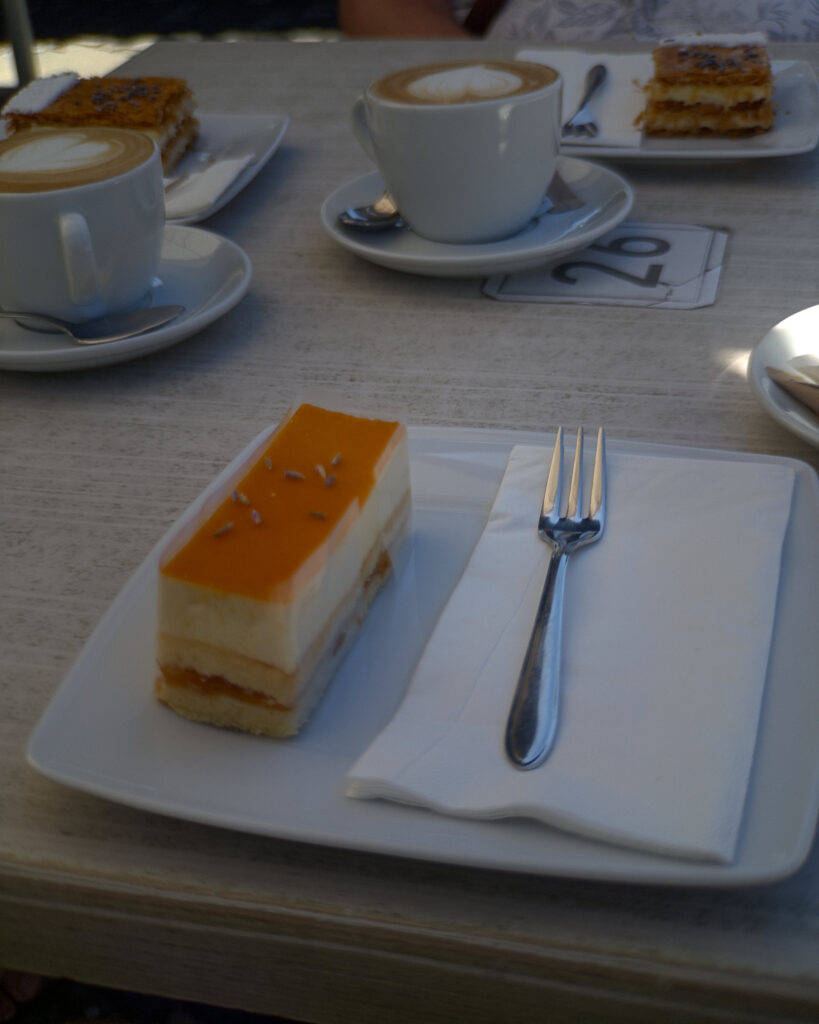
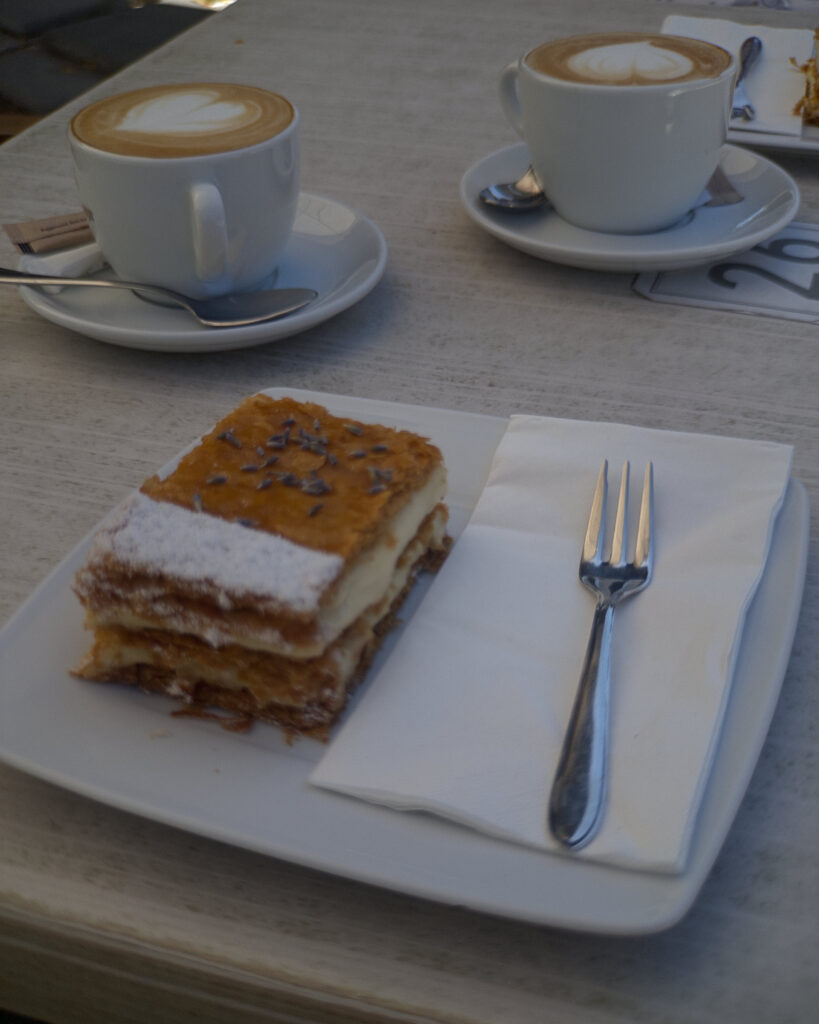
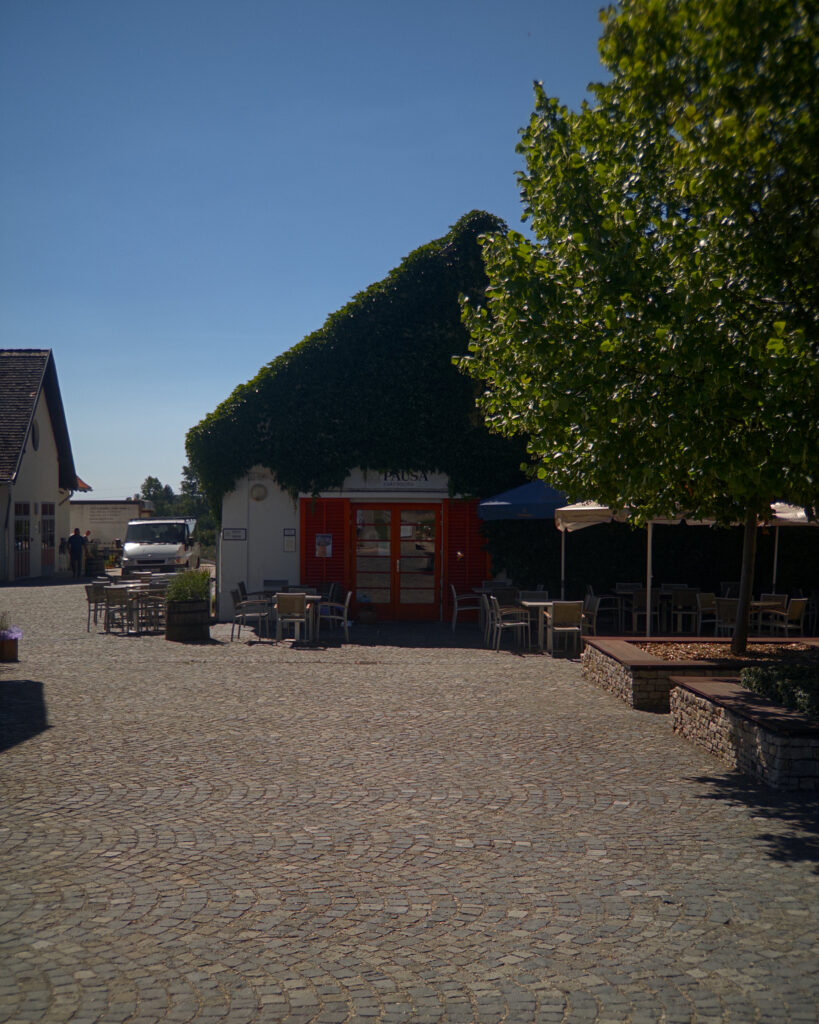
After wandering the expansive historic abbey grounds and absorbing the immense weight of its history, there is only one way to truly complete the Pannonhalma experience: mastering the art of the perfect pause. Tucked elegantly just below the monastery walls, the Pausa Confectionery operates with the precision, grace, and elegance of true hospitality. Here, the traditional botanical flavors harvested directly from the abbey’s own gardens—fragrant lavender, earthy thyme, and bright lemongrass—are brilliantly fused with modern French pastry techniques.
Sitting on their terrace with a beautifully crafted lavender-infused dessert and a rich, dark espresso, looking out over the endlessly rolling Hungarian countryside, you realize this isn’t just a standard cafe stop. It is a moment of pure, deliberate indulgence and sophisticated slow living. It serves as a sweet, beautiful continuation of the monks’ age-old dedication to earthly perfection, allowing you to taste the very essence of the sacred hill.
The Archabbey stands on the hill of Pannonhalma for more than a 1000 years now, and the monks of Benedictine serve the people with the love of God.