KALEIDOSCOPE OF LIGHT
The Stained Glass Windows
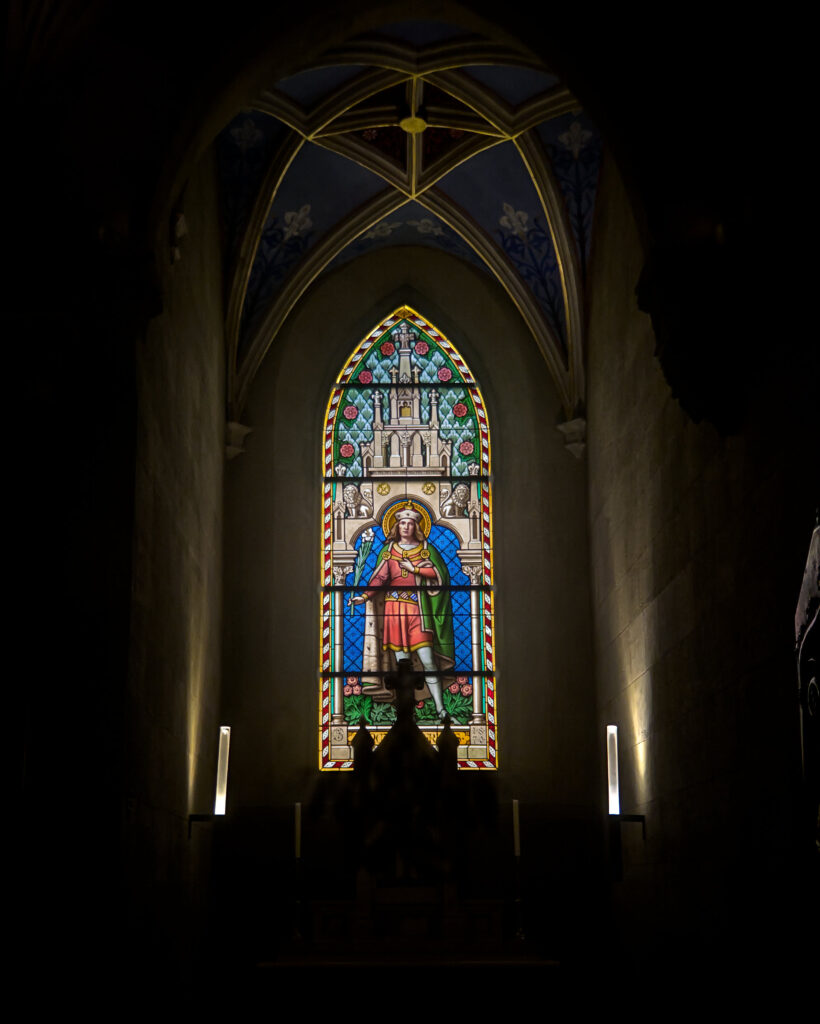
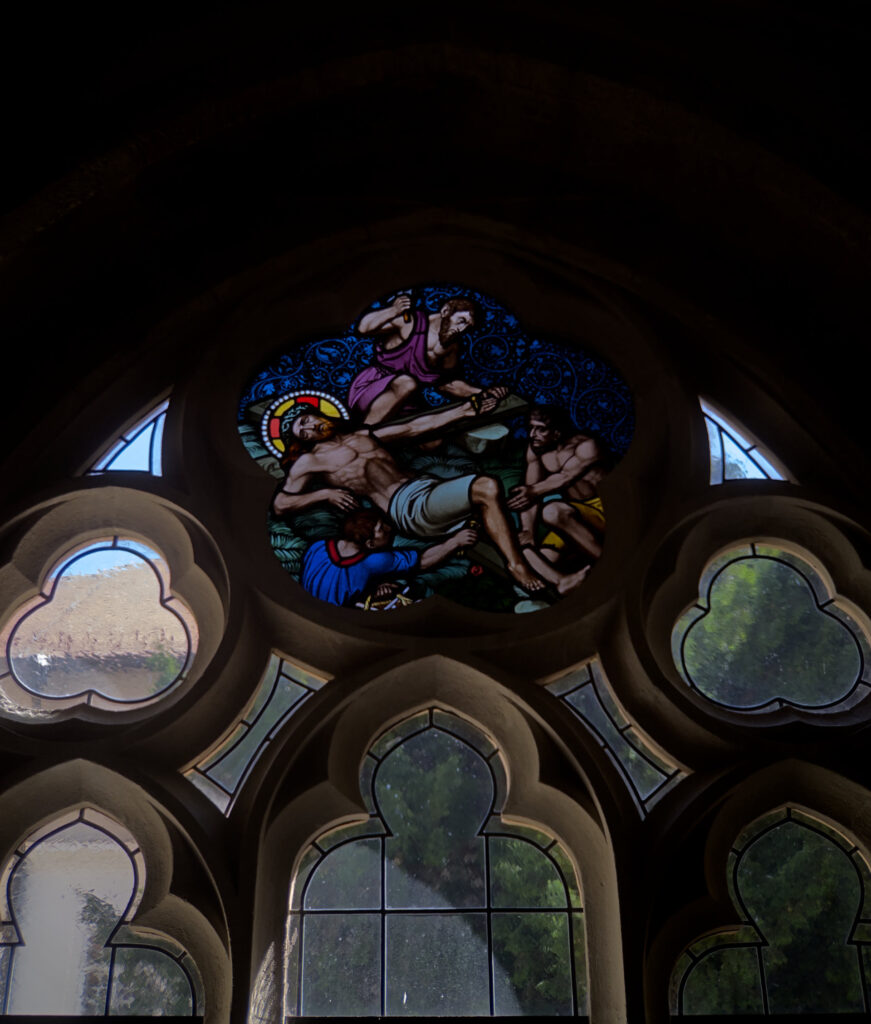
Stepping into the towering nave of the basilica, you are met with an amazing kind of mastery. As the sun slowly shifts across the Hungarian sky, the interior of the church transforms into a living, breathing canvas. The magnificent, intricately detailed rose windows act as celestial filters, taking the harsh, unforgiving daylight and bending it into soft, vivid beams of deep crimson, brilliant sapphire, and radiant gold.
These intricate glass masterpieces are far more than decorative features; they are dynamic participants in the atmosphere of the abbey. They don’t just illuminate the ancient stone; they breathe vibrant life into the cold, austere masonry. With every passing hour, as the angle of the sun changes, this ethereal, glowing atmosphere shifts, painting new geometric patterns that dance silently across the heavy stone floor and wash over the massive columns.
Standing in the center of this light display is a stunning visual reminder of medieval architectural genius. The architects of this space did not merely build with stone and mortar; they utilized light itself as a tangible architectural material. By controlling how the sun enters the sacred space, they engineered an environment designed to instantly inspire absolute awe and elevate the spirit of anyone who walks through the doors.
VISIONS IN THE VAULT
The Celestial Ceilings
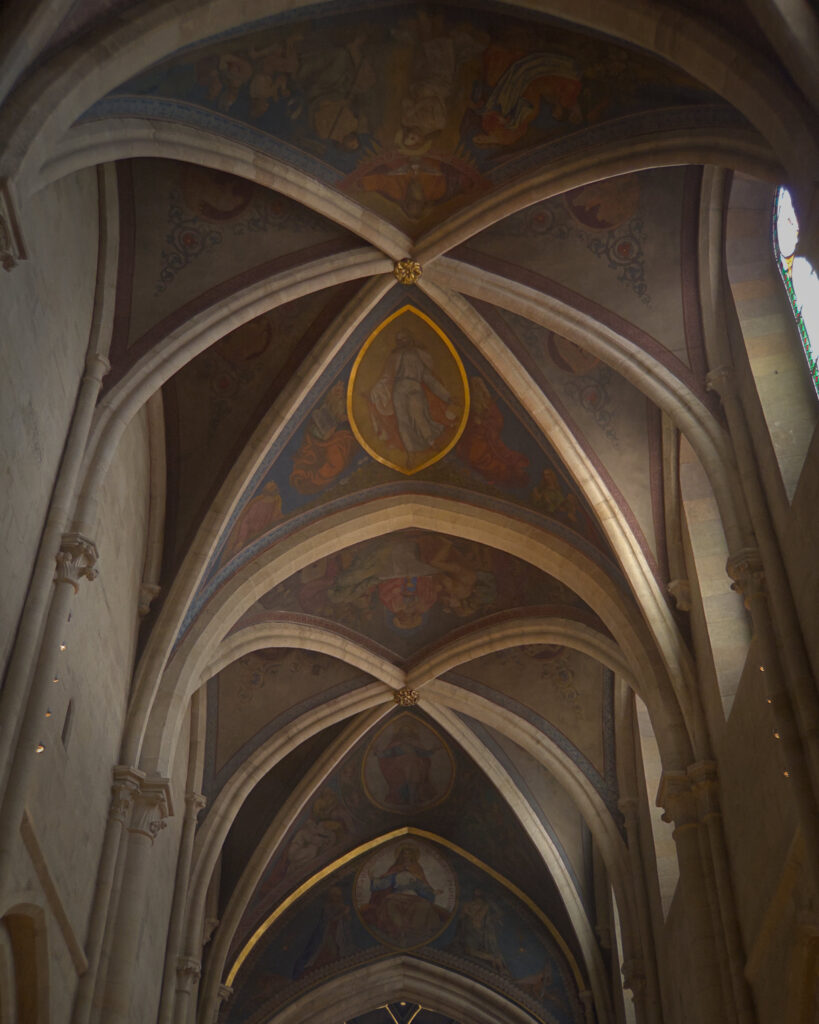
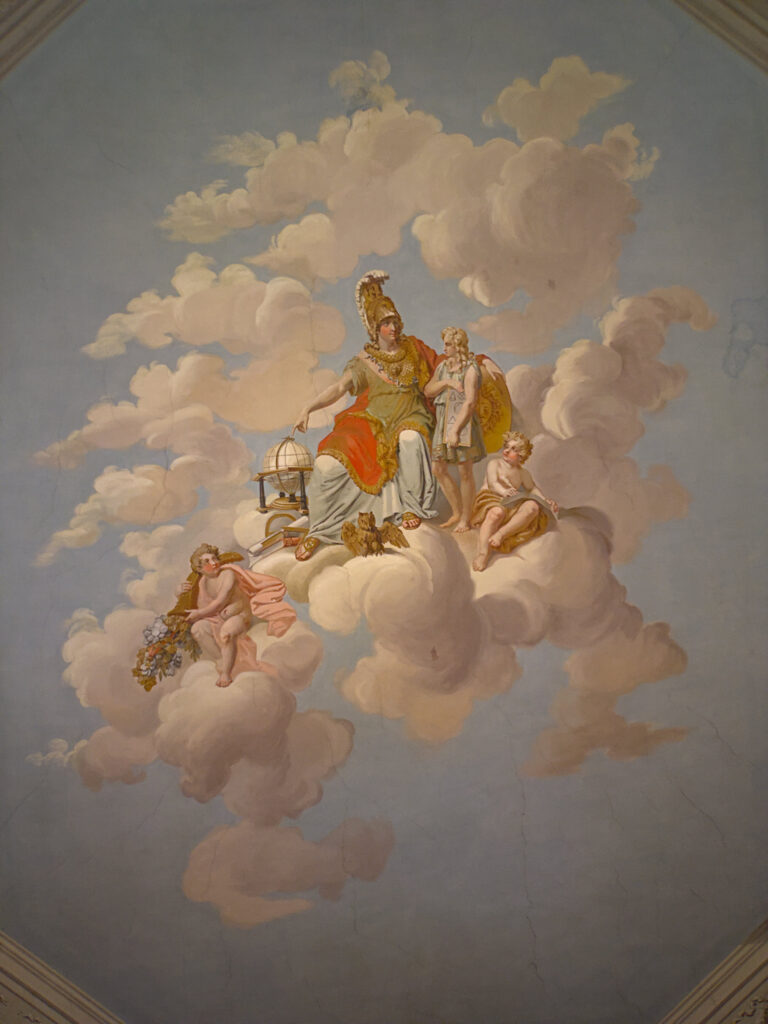
Once your eyes adjust to the brilliant kaleidoscope of the windows, the natural instinct is to draw your gaze upward from the glowing stone. High above, the spectacular vaulted ceilings reveal yet another immense layer of profound artistic devotion. Stretching across the towering geometric arches are masterfully painted frescoes, depicting sweeping heavenly scenes with rich, enduring pigments that have remarkably survived the relentless test of time.
The scale of these celestial artworks is difficult to fully comprehend from the ground. Perfectly framed by the heavy, ribbed stone vaults, the paintings create a sprawling, vibrant canopy that seems to open the roof of the basilica directly into the heavens. The meticulous details, the sweeping robes, and the intensely expressive faces looking down from above demand a slow, deliberate appreciation. You find yourself leaning back, completely enveloped by the towering artistry.
These ceilings are the crowning visual achievement of the basilica’s interior. For generations, they have silently guided the Benedictine monks in their daily, quiet contemplation, offering a constant, upward visual pull. It is a masterful intersection of art, engineering, and faith, ensuring that even in the absolute silence of the abbey, the walls and ceilings are endlessly speaking to those willing to look up.
THE SCENT OF CENTURIES
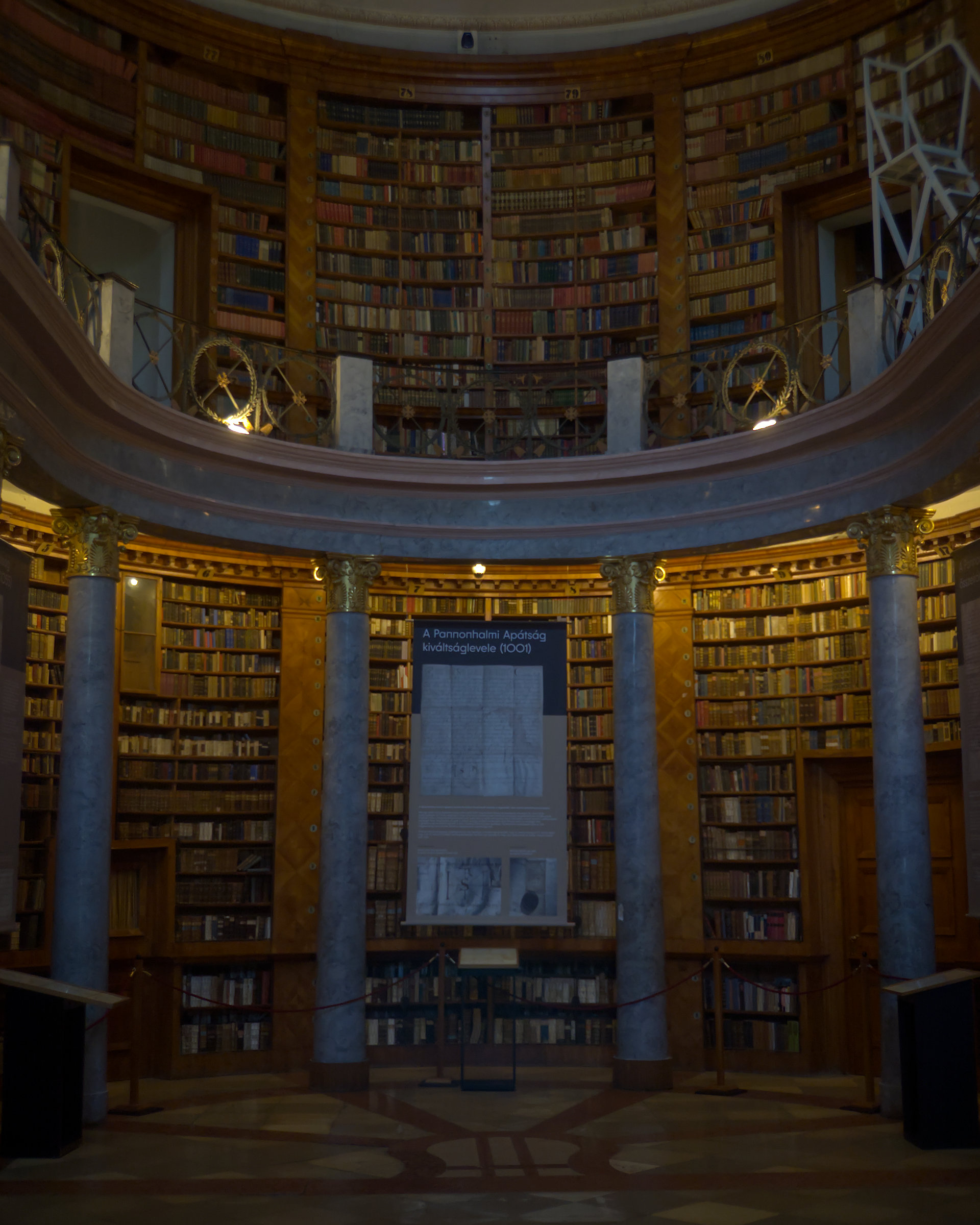
The Grand Library Pannonhalma
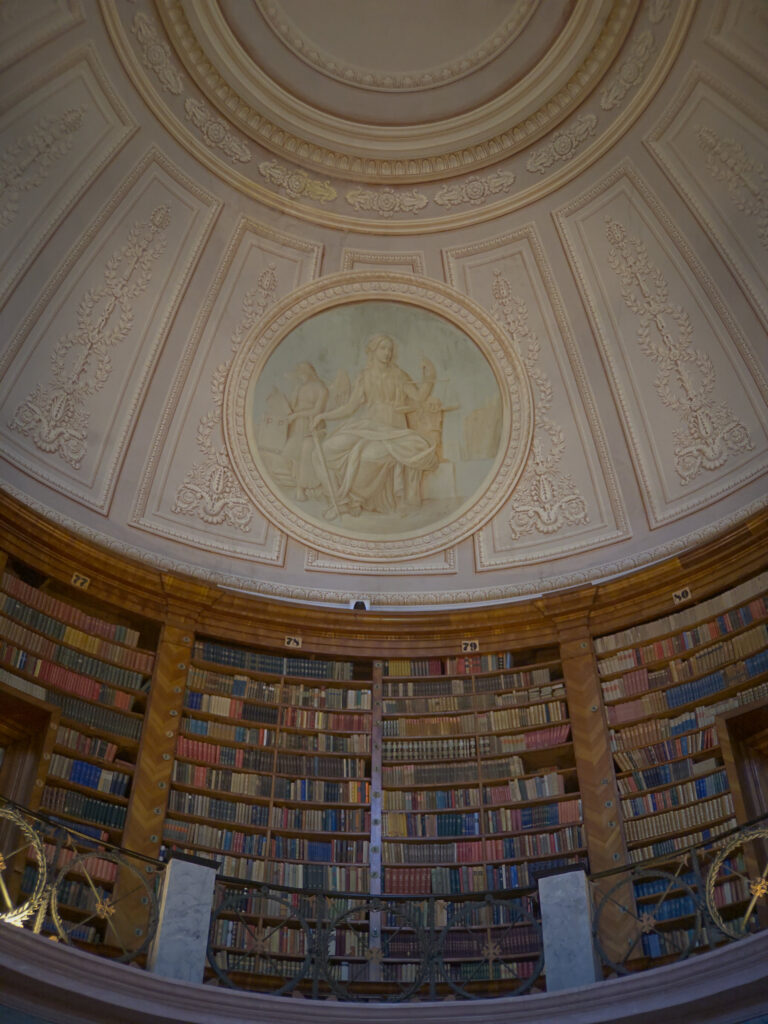
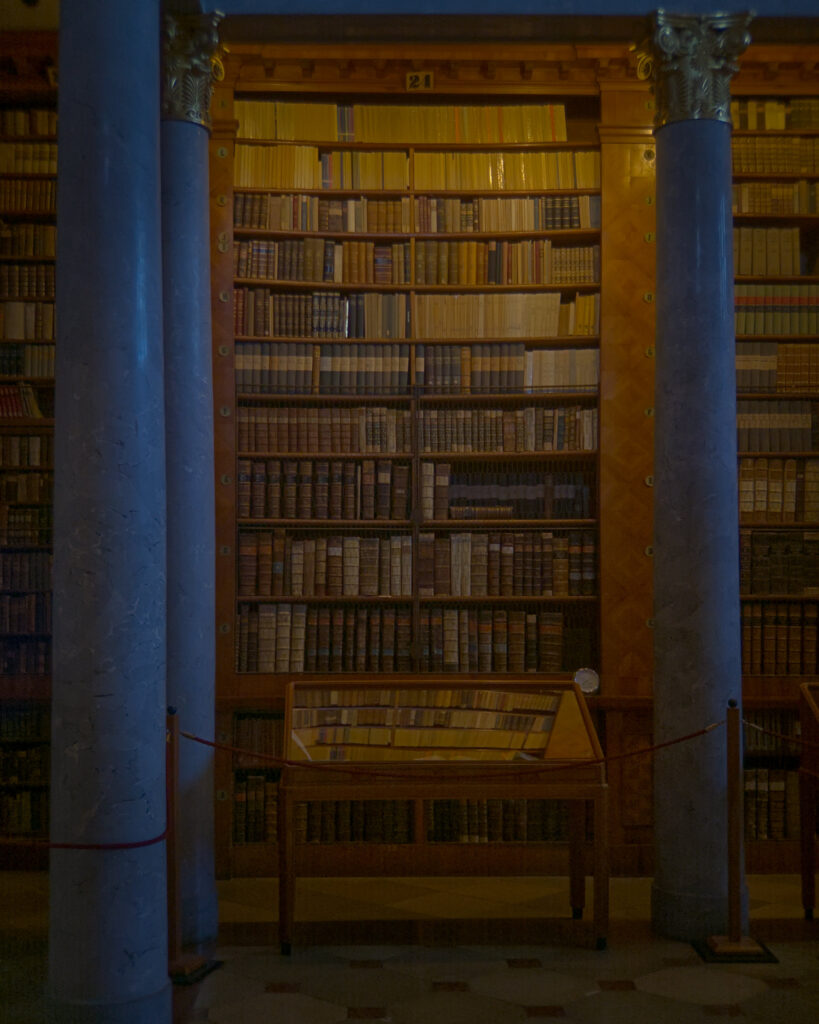
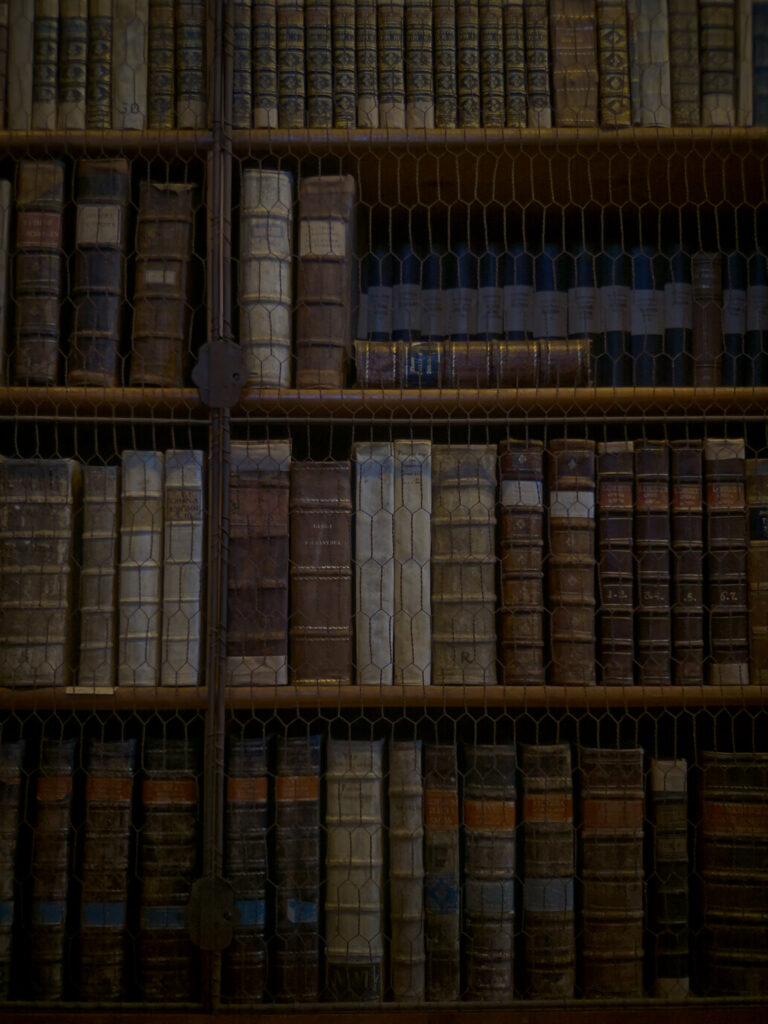
Stepping into the 19th-century neoclassical library of the Pannonhalma Archabbey is not merely entering a room; it is a profound crossing of a threshold that leaves the relentless rush of the modern world completely behind. Instantly, you are met with an overwhelming, immersive sensory experience. The air here is profoundly heavy, thick with the intoxicating, undeniable aroma of centuries-old polished wood, cracked leather bindings, and the fragile, aging parchment of over 400,000 ancient volumes. It is a scent that cannot be replicated, carrying the absolute weight of human history within it.
Towering, majestic pillars stretch upward toward the vividly frescoed ceiling, framing a beautifully symmetrical ocean of knowledge that seems to endlessly ripple outward. The sheer scale of the collection, housed within such staggering architectural grandeur, forces you to pause and recalibrate your sense of time. Every single spine resting on these monumental shelves represents an unfathomable amount of dedication, painstakingly copied, bound, and studied by scholars who rarely left this sacred hill.
Ultimately, you realize this space is far more than a repository for books. It is a meticulously guarded, living sanctuary. For generations, the Benedictine monks of Pannonhalma dedicated their entire lives to preserving the written history, science, and philosophy of the world through some of Europe’s darkest and most turbulent eras. Standing in the center of this hall, you are enveloped by the quiet, enduring triumph of knowledge over time.
THE ART OF TIMBER
The Masterful Woodwork
Beyond the breathtaking, expansive collection of books, the library itself stands as an absolute, undisputed masterpiece of 19th-century Hungarian craftsmanship. While the exterior of the abbey projects the heavy, defensive strength of stone, the interior of this grand hall introduces a sudden, sweeping warmth. Looking closely at the intricately carved cherry and walnut woodwork that frames the sweeping upper gallery, you can instantly recognize the immense, meticulous dedication of the master carpenters who shaped this space.
Every single element of the timber has been considered and crafted with profound intent. The soaring wooden pillars that line the perimeter, the elegant, sweeping curves of the balustrades, and the stunningly detailed floor marquetry beneath your feet were not merely built for function. They were designed specifically to elevate the pursuit of knowledge into a deeply aesthetic, almost spiritual experience. The grain of the wood, polished smooth by time, catches the soft light in a way that feels inherently alive.
This masterful woodwork provides a warm, incredibly tactile contrast to the heavy, ancient stone of the surrounding fortress. It wraps the visitor in a golden, inviting embrace, softening the acoustics of the monumental room and creating an atmosphere of absolute, refined tranquility. It is a testament to the belief that beauty and intellect are forever intertwined.
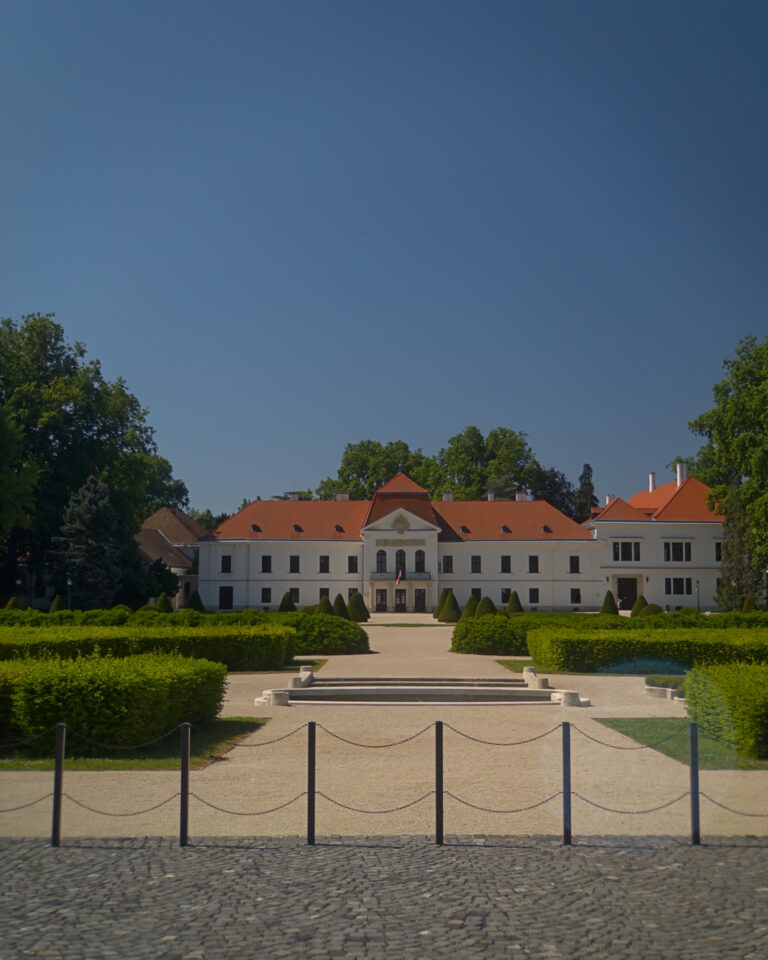
The Archabbey stands on the hill of Pannonhalma for more than a 1000 years now, and the monks of Benedictine serve the people with the love of God.