SLEEPING GIANTS
The Open-Air Railway Museum
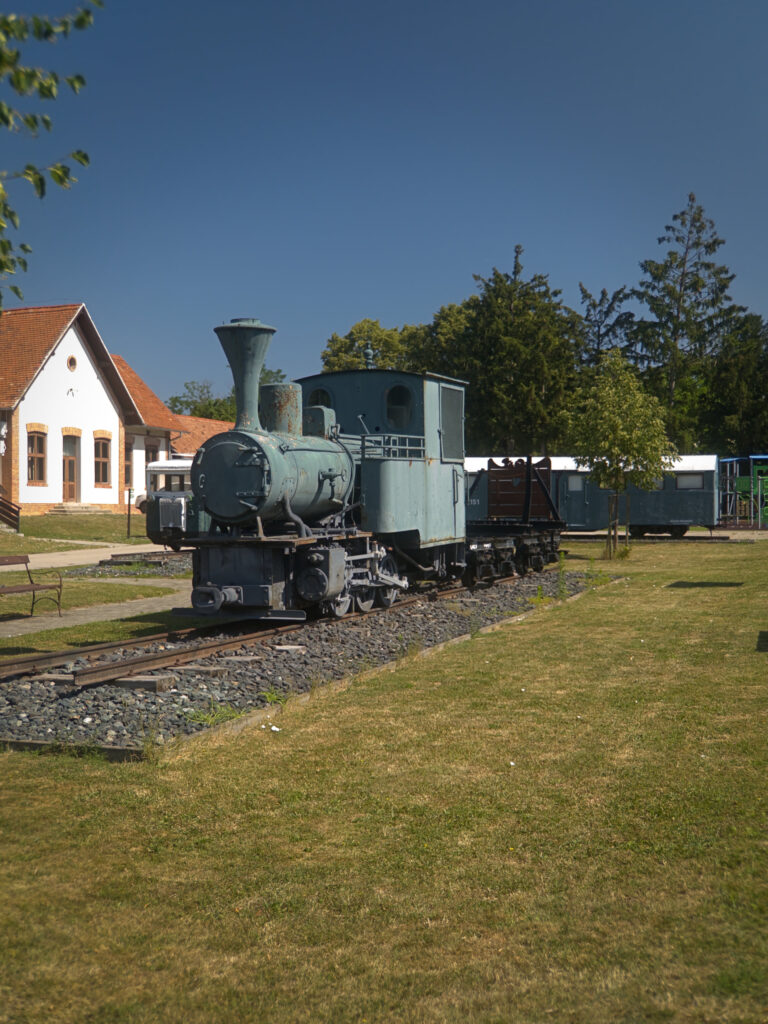
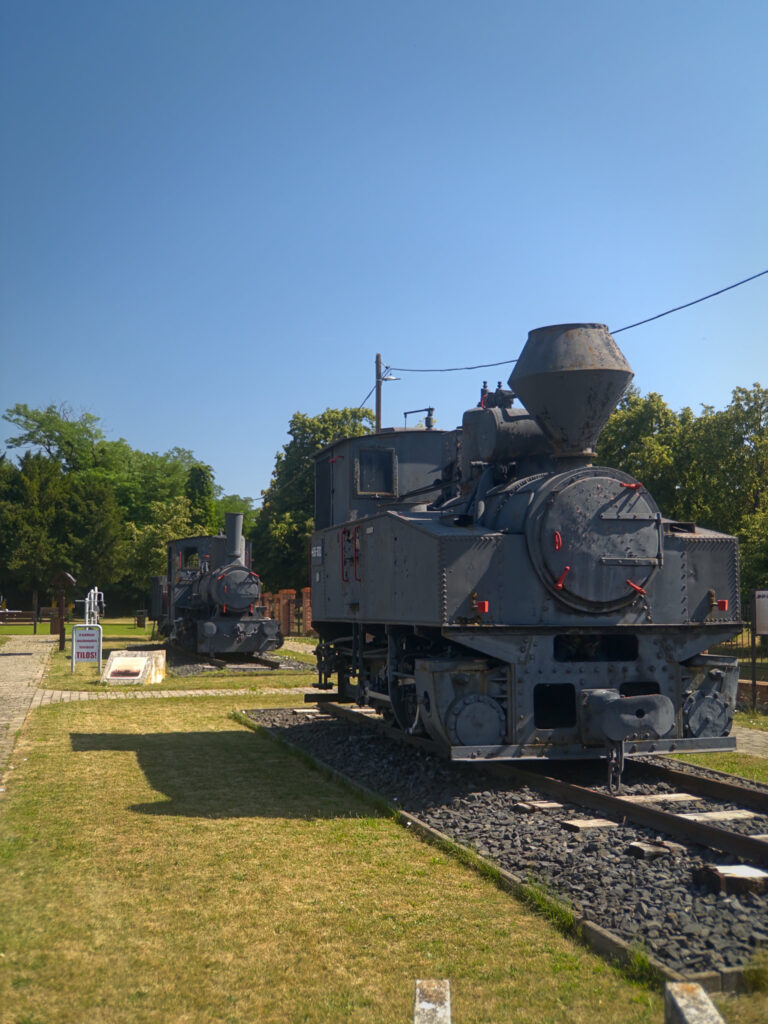
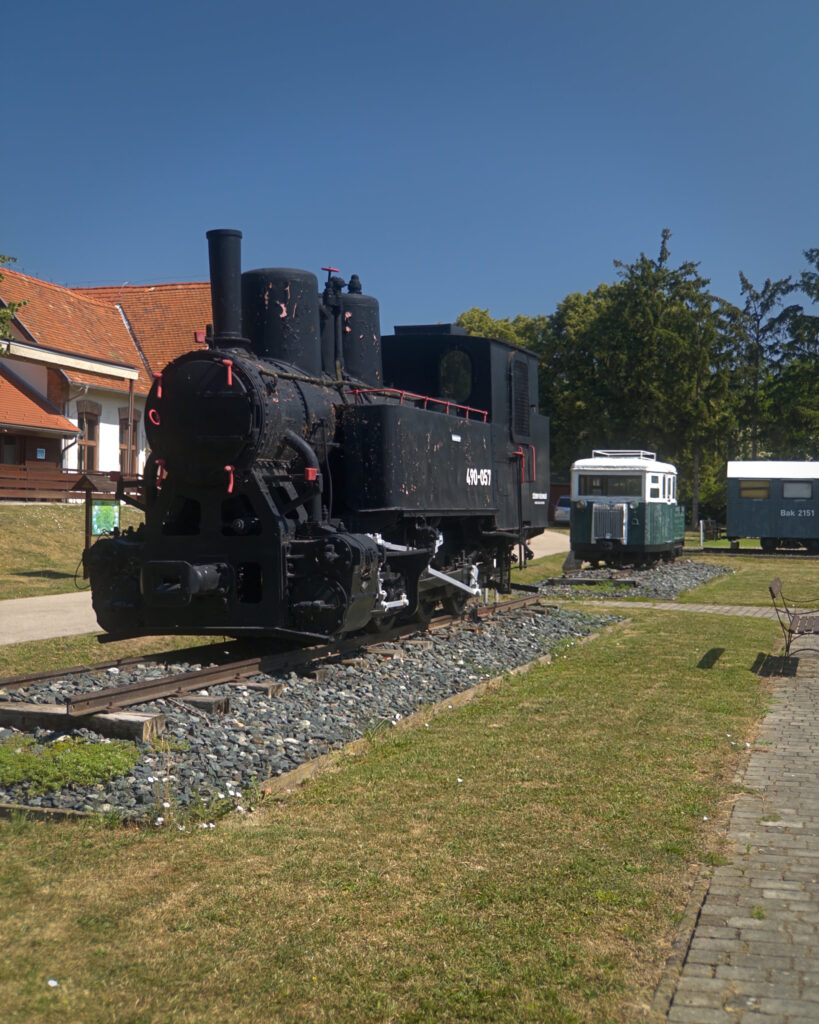
Beyond the active, rhythmic tracks of the Nagycenk railway lies a quiet, sunlit sanctuary where titans of the industrial age now rest in the whispering grass. The open-air locomotive park is a mesmerizing exhibition of vintage steam engines and historic carriages. Standing completely still, these mechanical leviathans create a striking visual contrast—heavy, unyielding black iron being slowly embraced by the green, delicate nature that surrounds it.
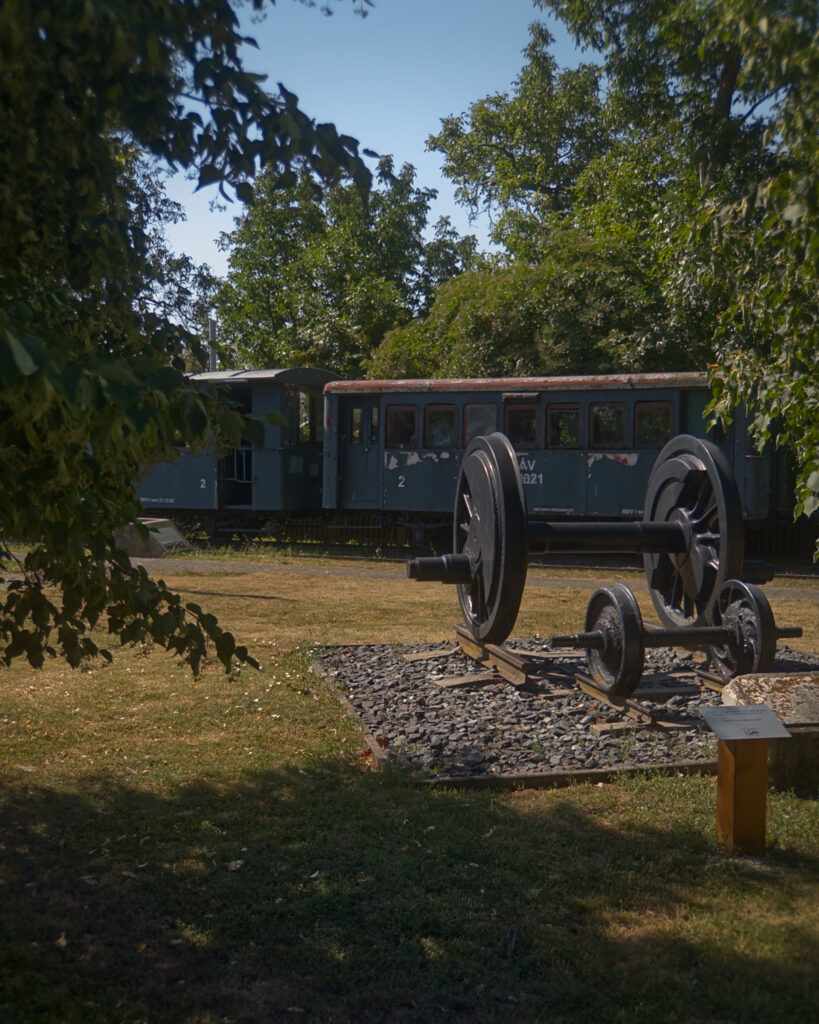
Walking among these colossal, cold iron machines, you are instantly struck by the sheer, imposing scale and raw mechanical beauty of a rapidly fading era. Stripped of their roaring steam, the deafening shriek of their whistles, and the frantic energy of the rail yard, these sleeping giants offer a rare, intimate opportunity for discovery. You can walk right up to their massive frames, taking the time to admire the heavy, hand-hammered rivets, the towering steel wheels, and the intricate, masterful engineering that once propelled an entire nation boldly forward into the modern age.
Here, in the absolute quiet of the meadow, the sheer power of the 19th century is suspended in time. It is a place that invites you to slow down, look closely at the mechanical details, and appreciate the monumental human effort required to forge these magnificent engines of progress.
RUST AND ROMANCE
The Static Fleet
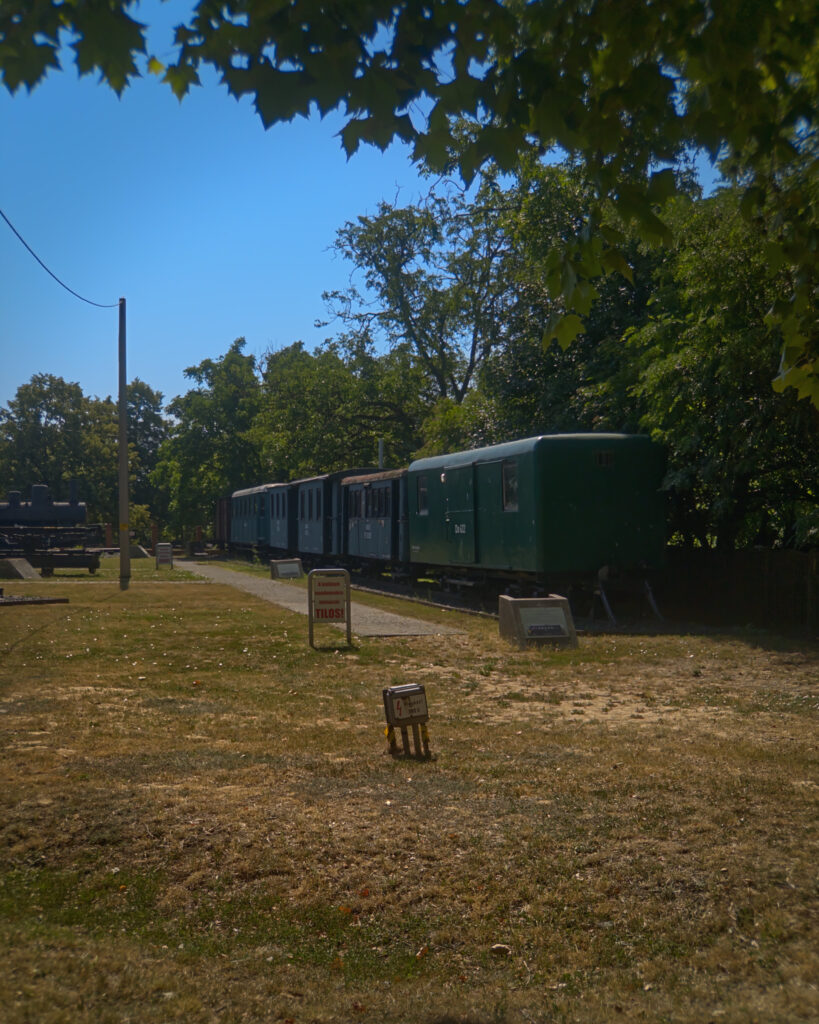
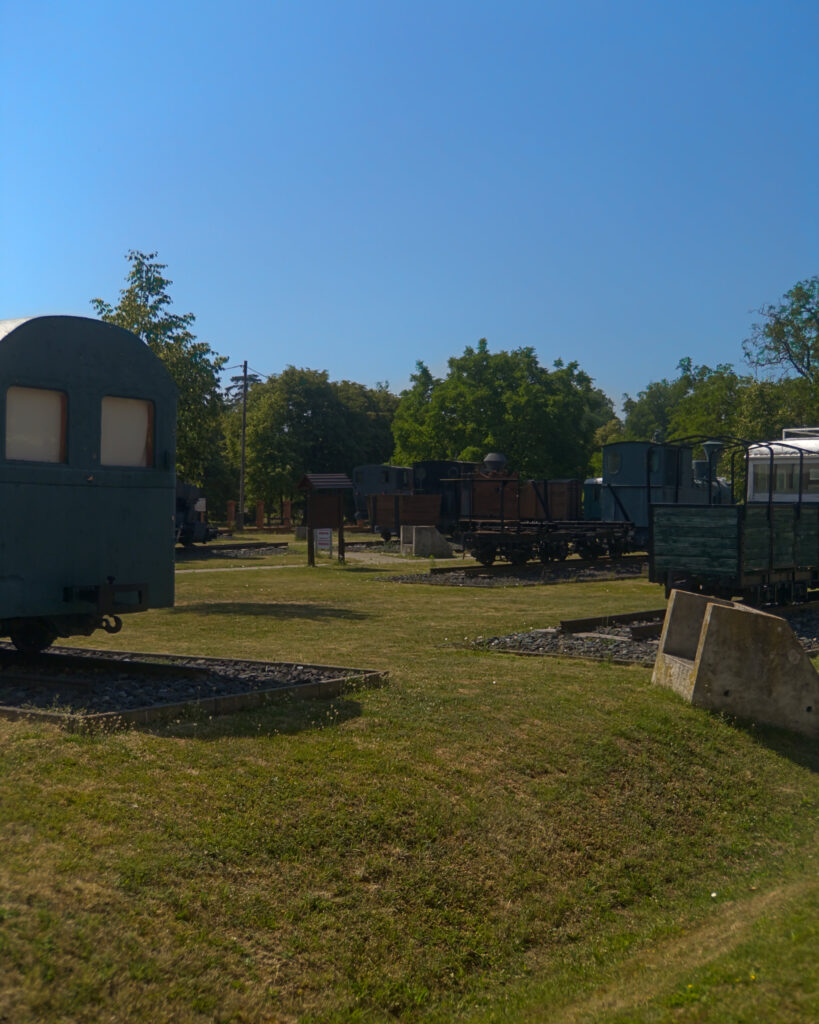
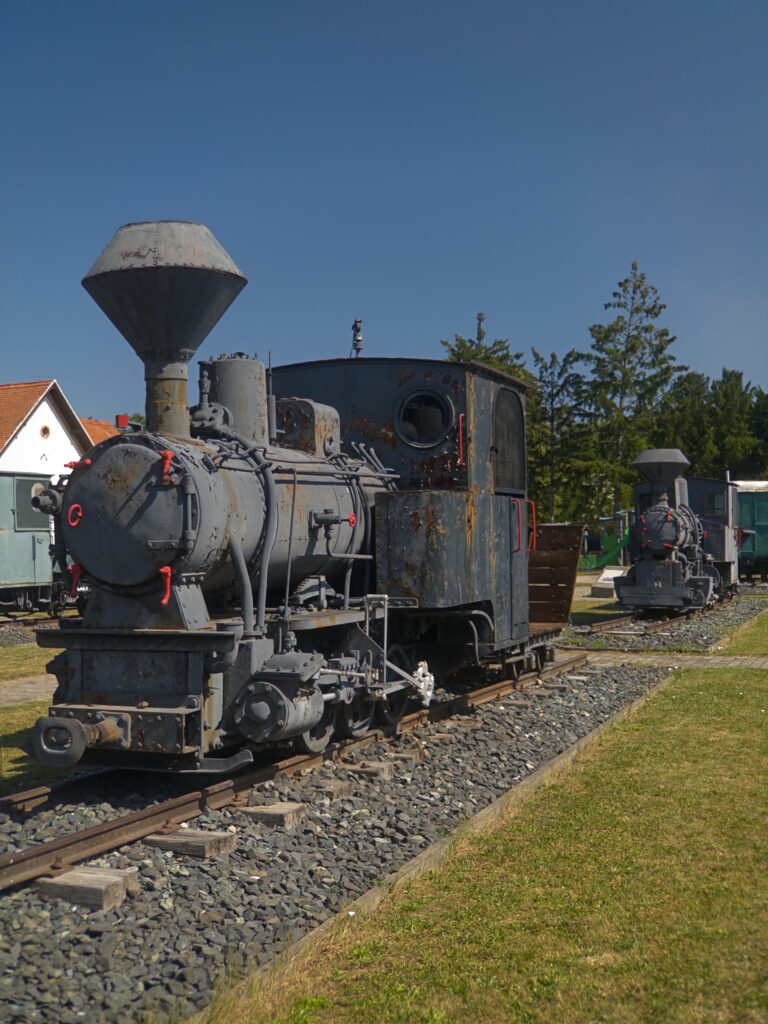
There is a profound, melancholic poetry lingering in the stationary fleet parked just outside the Mansion station. In this secluded corner of the estate, time has genuinely stopped. Without the blur of motion or the rush of departing crowds, you are granted the luxury of stillness. You can run your hands along the intricately carved, weathered wood of the old passenger cars, feeling the texture of decades past. You can study the beautifully oxidized brass fittings of the decommissioned locomotives, watching how the metal has elegantly aged into emerald green and faded grey.
Each static piece resting on these rails tells a silent, evocative story of countless journeys, hurried platform farewells, and long, rhythmic passages across the vast Hungarian plains. Peering through the dusty glass of the carriages, it is almost impossible not to imagine the elegantly dressed travelers of the 1800s taking their seats, anticipating the grand adventure of cross-country rail travel.
Bathed in the afternoon light, this open-air museum feels entirely different from a traditional, clinical exhibit. Instead, it feels exactly like a secret garden of iron. It is a highly romanticized sanctuary where the visceral thrill of 19th-century travel is perfectly, beautifully preserved in rich layers of rust and heavy, enduring steel.
THE REFORMER’S SANCTUARY
The Széchenyi Mansion
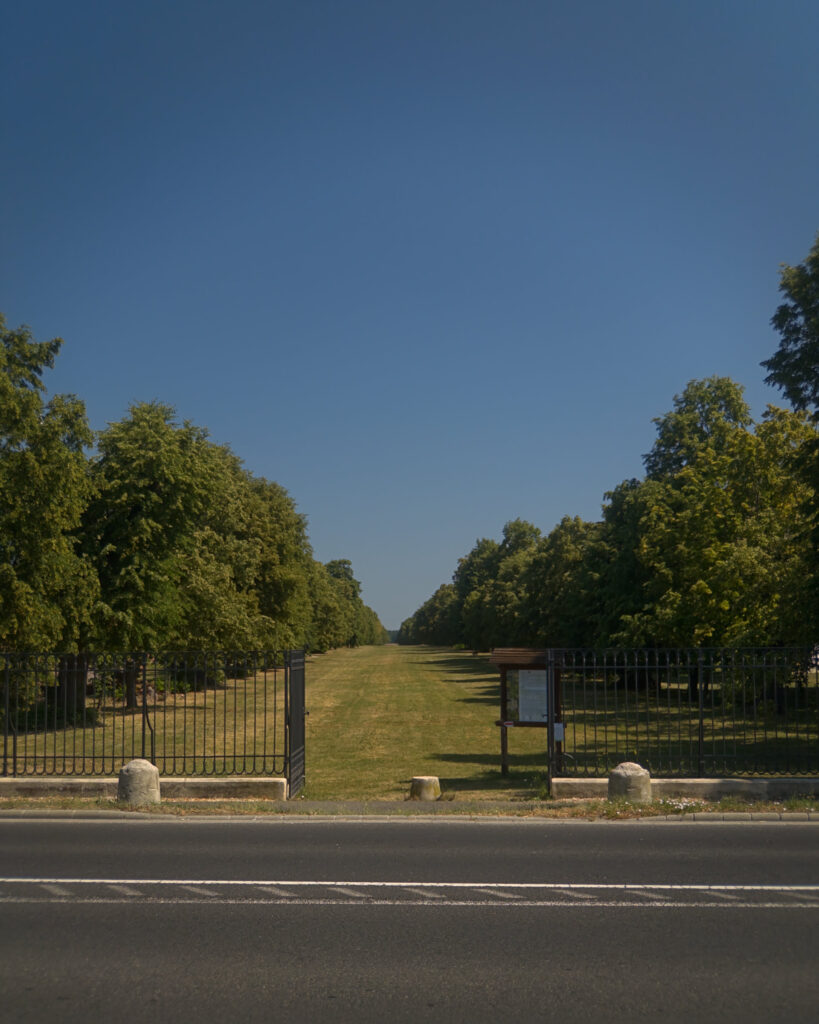
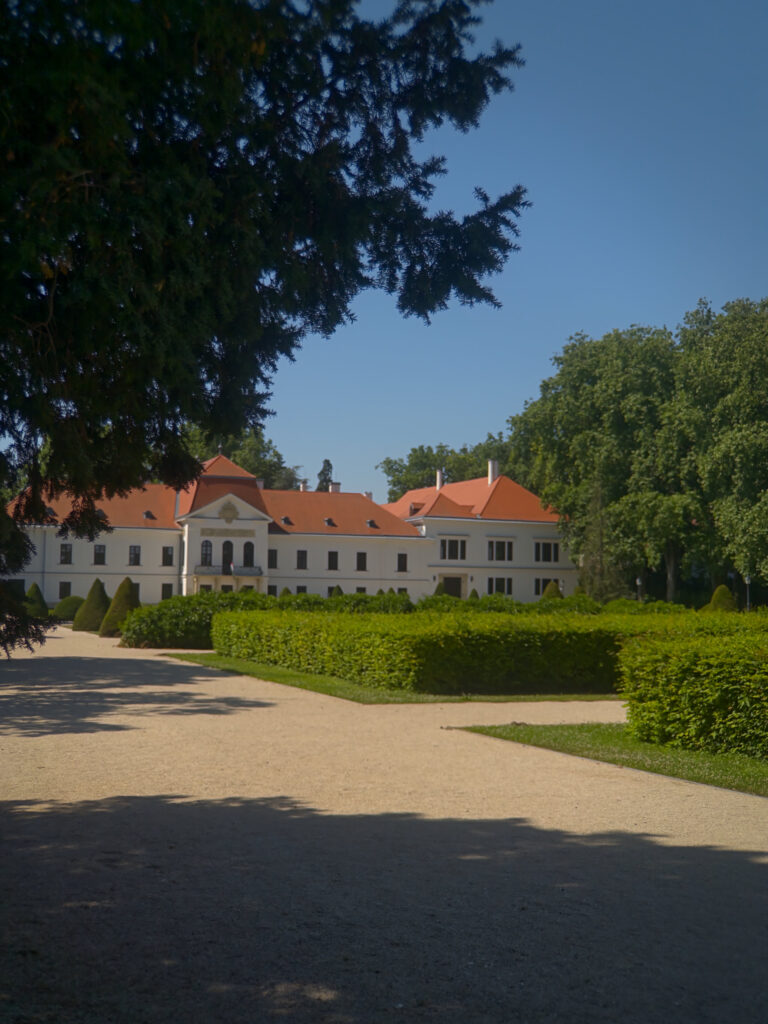
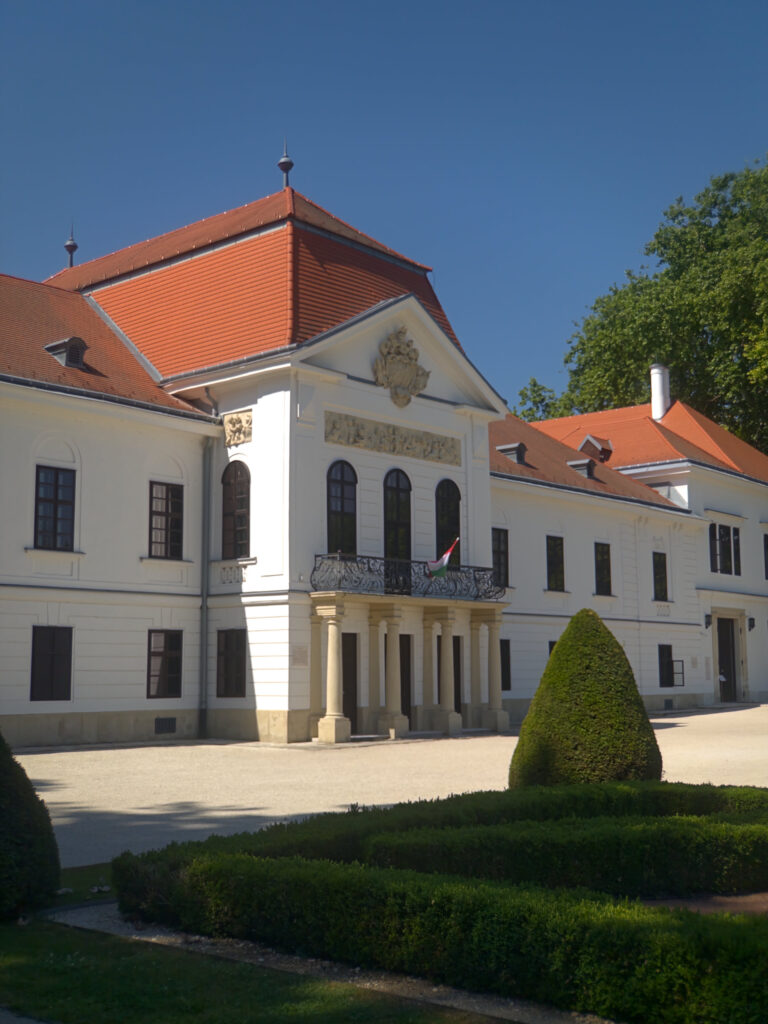
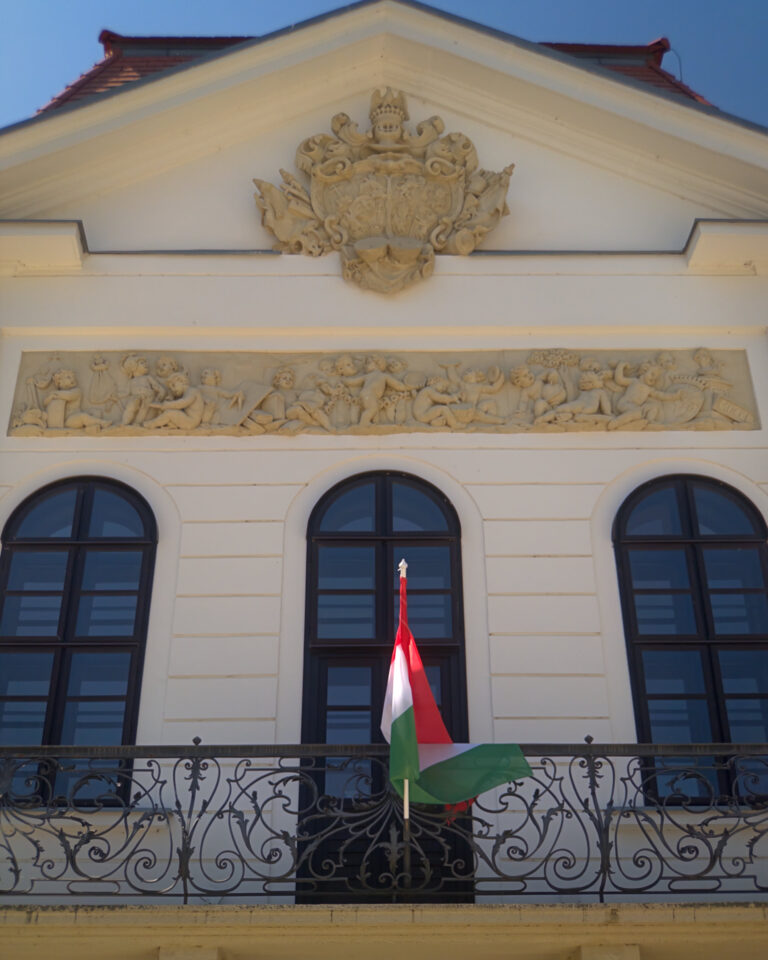
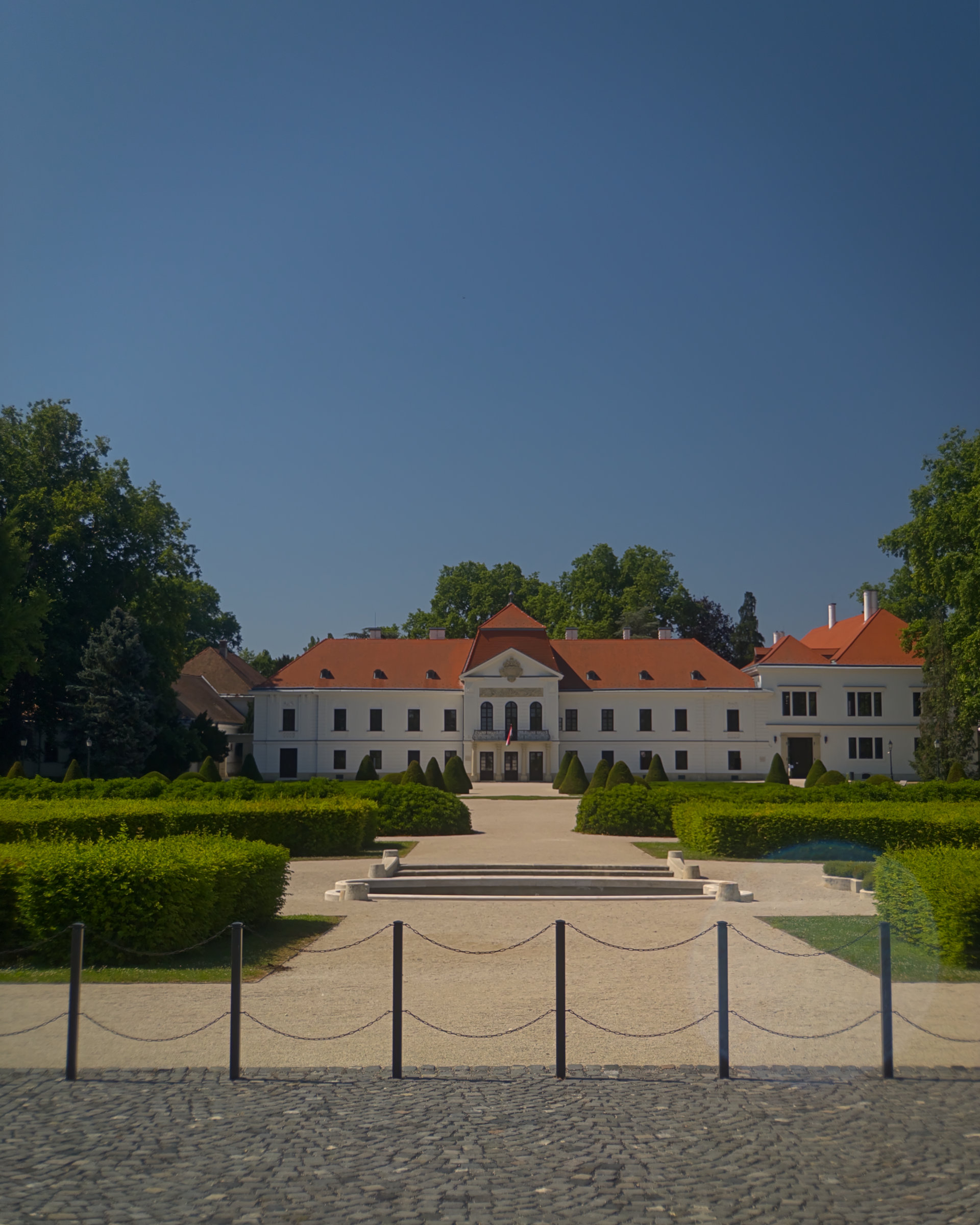
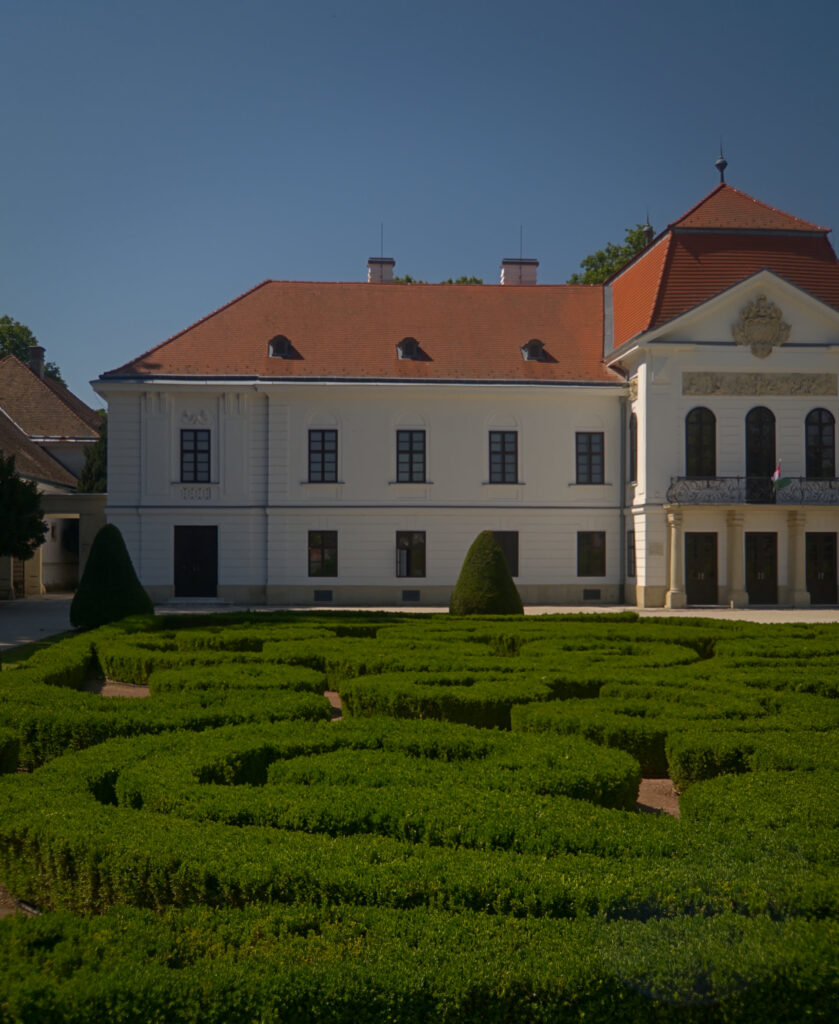
Stepping through the grand, heavy wrought-iron gates of the Széchenyi Mansion in Nagycenk is exactly like walking directly into the golden age of Hungarian history. Approaching the estate, the sweeping, pristine white facade of this classical masterpiece reveals itself against the sky, commanding absolute respect. This elegant estate was the beloved, foundational home of Count István Széchenyi, a man profoundly and permanently remembered by the nation as the “Greatest Hungarian.” His presence can still be felt in the impeccable symmetry and purposeful design.
However, this location was always far more than just a luxurious aristocratic residence built for quiet countryside retreats. These pristine white walls, grand staircases, and stately, echoing halls served as the vital intellectual epicenter of a rapidly modernizing nation throughout the 19th century. It was within these very rooms that revolutionary ideas regarding infrastructure, commerce, and national identity were passionately debated and forged into reality. The mansion was a vibrant crucible of progress, hosting the greatest political and creative minds of the Era.
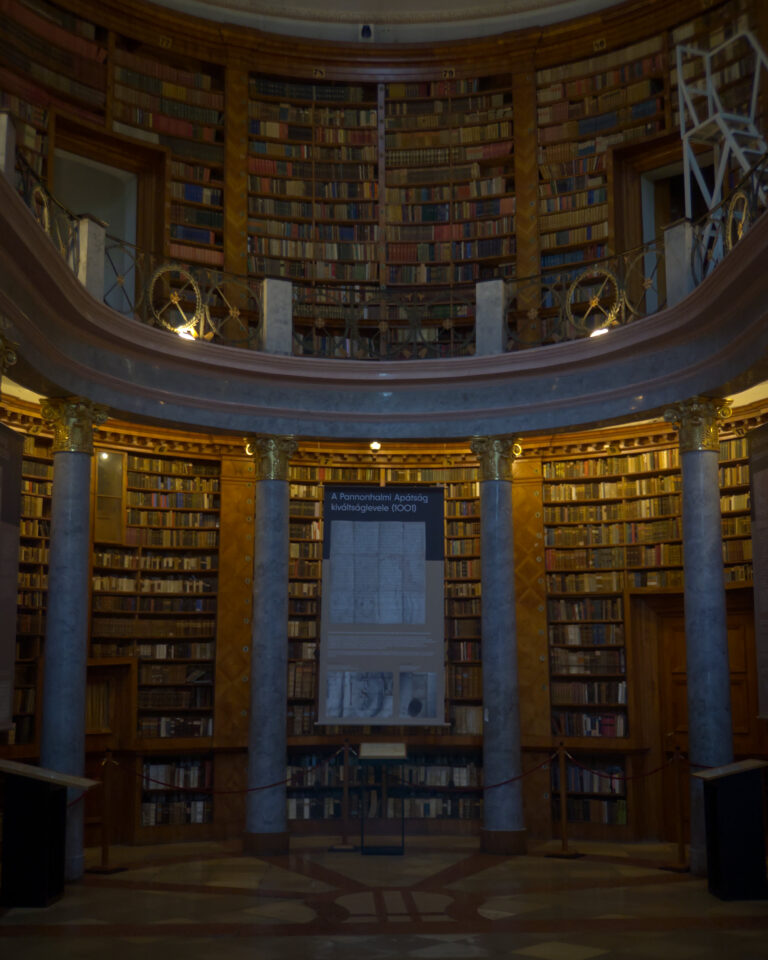
Today, the majestic facade and the meticulously preserved interiors stand as a proud, enduring testament to the visionary mind that helped shape modern Hungary. Walking through the library and the grand salons offers visitors an intimate, breathtaking glimpse into the sweeping life of a national icon, allowing you to walk the exact floors where the blueprint for a modern European nation was originally drawn.
A SYMPHONY IN GREEN
The Estate Gardens
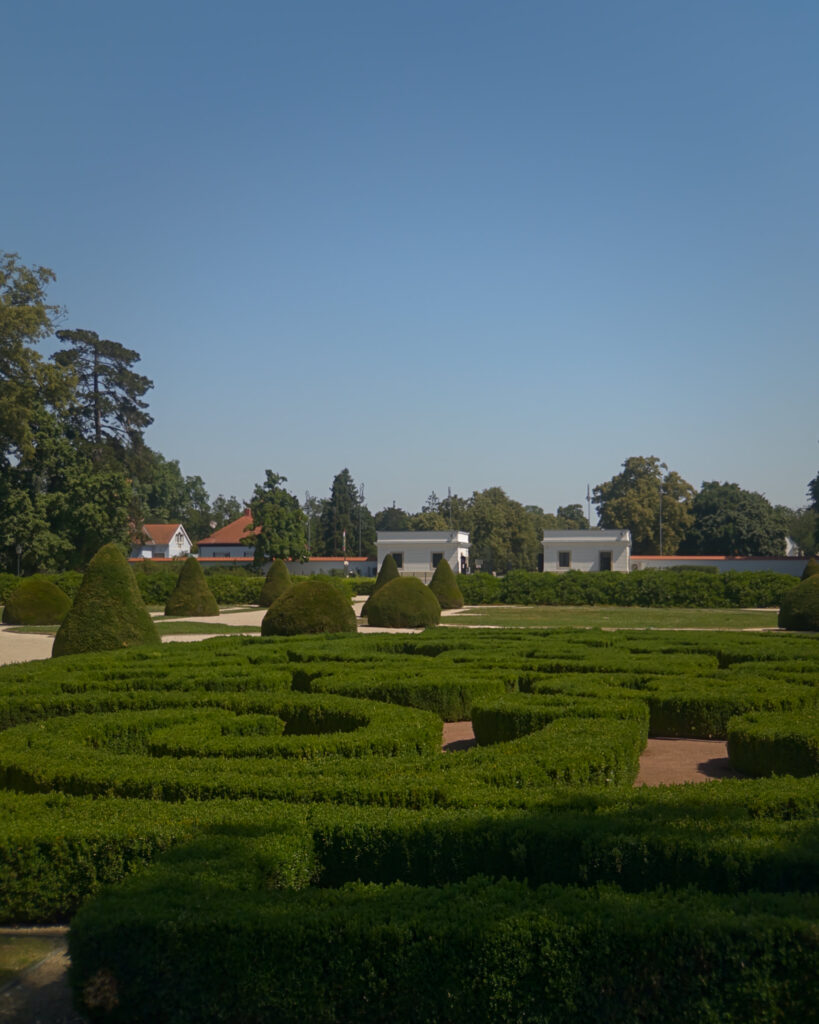
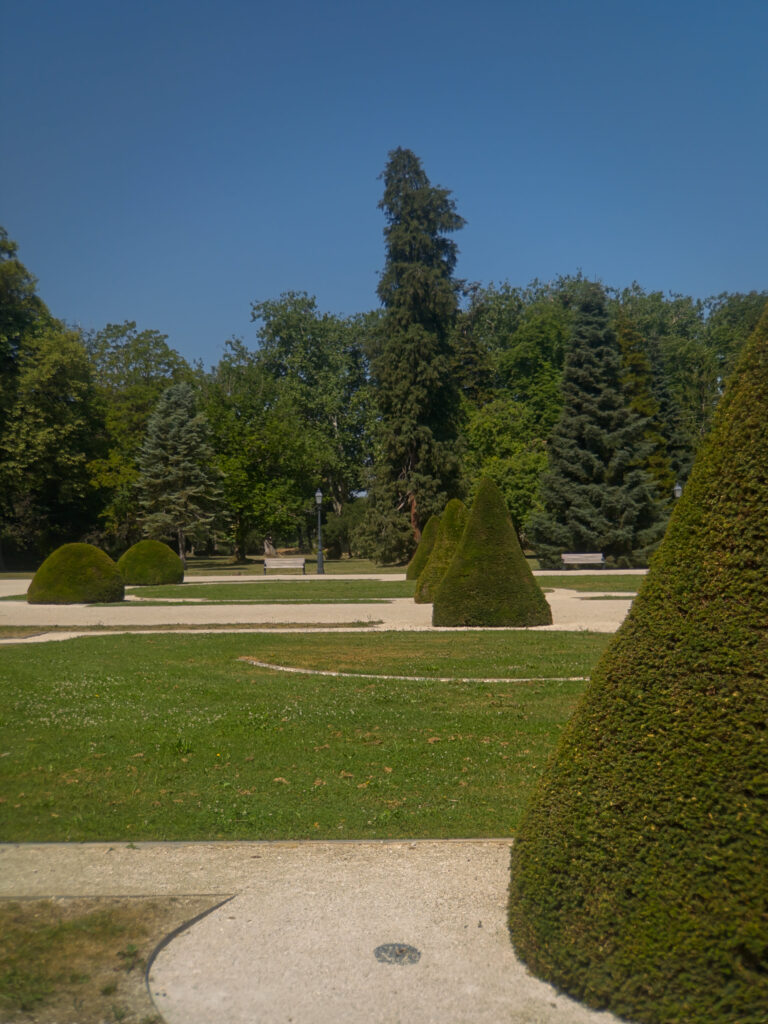
Surrounding the historic, imposing architecture of the mansion is a sprawling, meticulously manicured park that serves as a brilliant botanical masterpiece. The garden seamlessly and beautifully blends two distinct horticultural worlds: the strict, formal, commanding geometry of a classic French baroque garden near the main house, transitioning smoothly into the untamed, sprawling, and deeply poetic romance of an English landscape park as you wander further outward.
Strolling along the wide, sun-dappled gravel paths, the only sound you hear is the satisfying crunch of your own footsteps. You are completely enveloped by a towering canopy of old trees, their massive trunks anchored deep into the historic soil. Elegant classical statues appear suddenly from behind perfectly sculpted hedges, standing as silent, stoic witnesses to generations of Hungarian history. Every shadowed alcove and sunlit clearing feels purposefully designed to inspire quiet reflection and absolute peace.
The sheer scale, the curated biodiversity, and the absolute tranquility of the estate grounds provide a cinematic, immersive escape from the noise of the modern world. It is a living, breathing landscape where the quiet, deliberate elegance of 19th-century aristocratic life is perfectly preserved. Here, history is not just found in the stone and mortar of the mansion, but in every rustling leaf, every blooming flower, and every breath of fresh countryside air.
If you can, visit the mansion, the birthplac of the “Greatest Hungarian” Count Istvan Szechenyi.