THE ARCHITECT OF A NATION
The Visionary Count
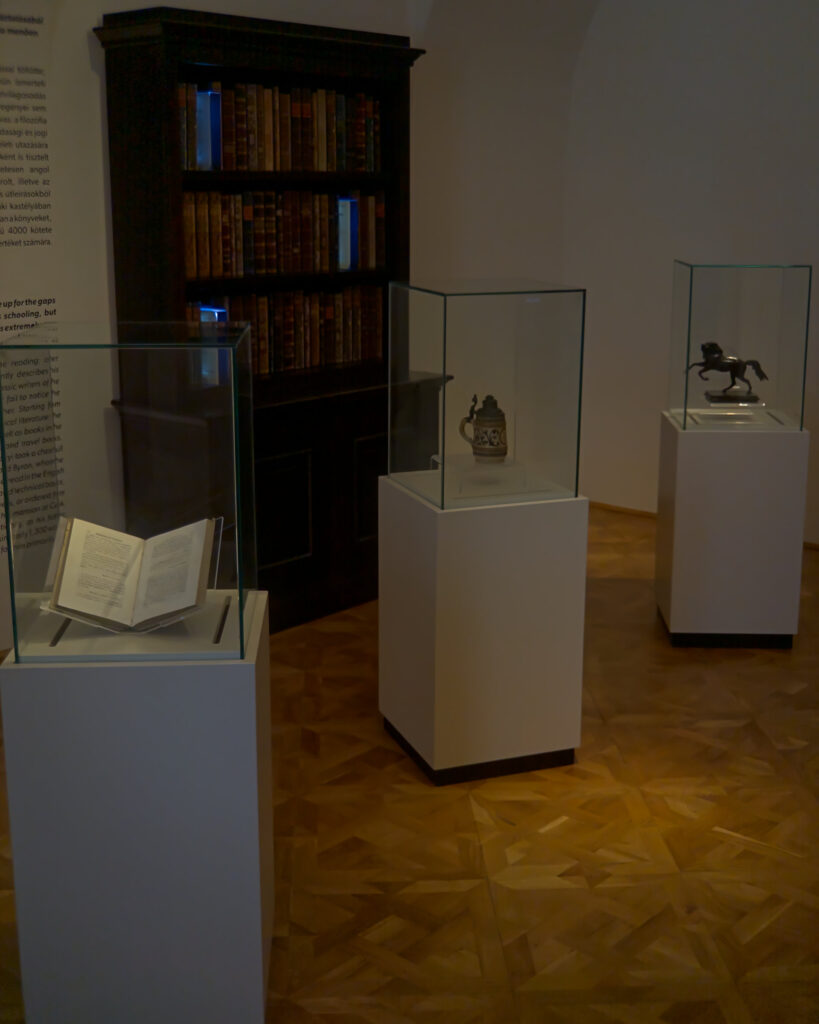
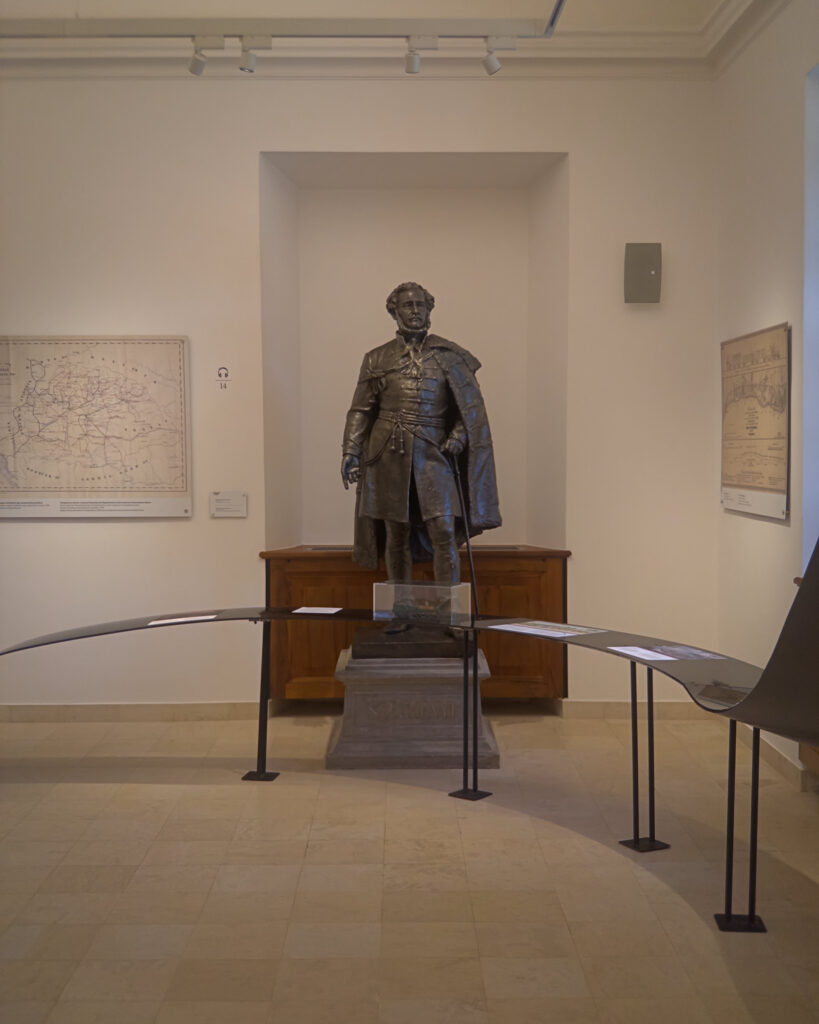
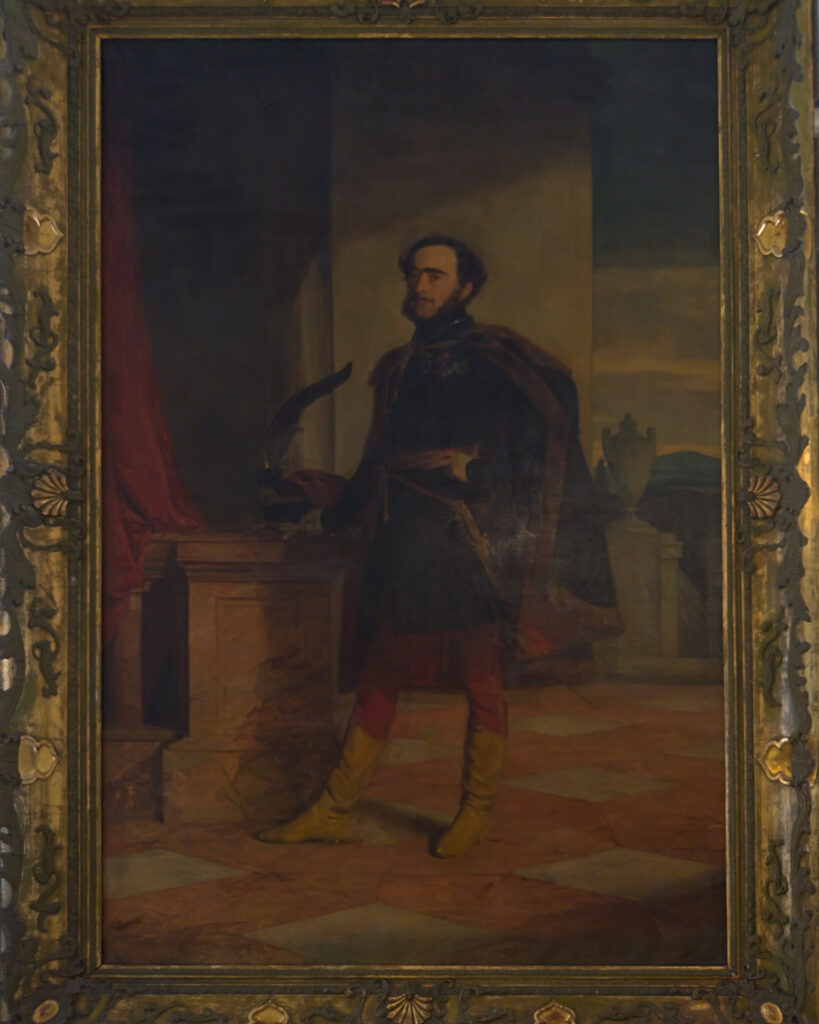
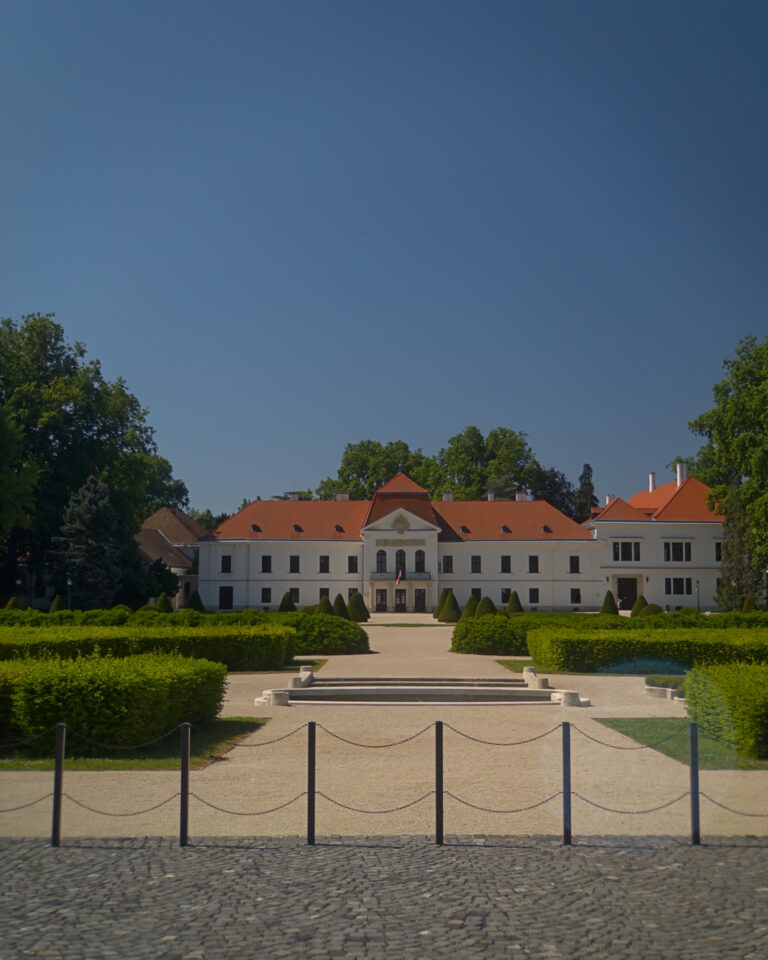
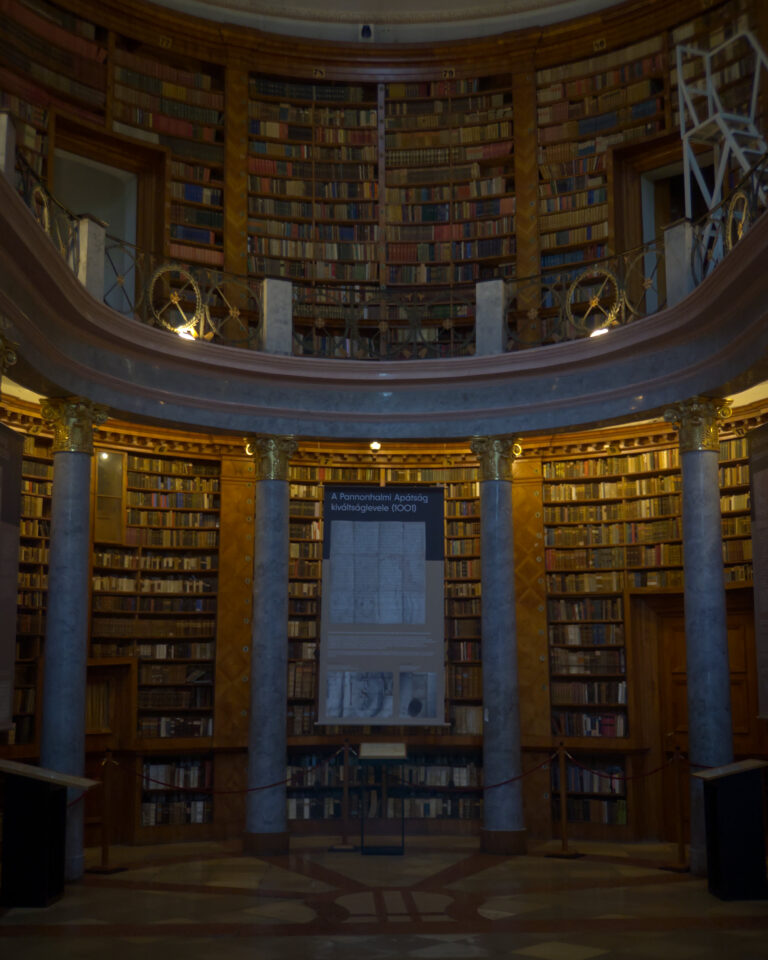
To walk the polished wooden floors of the Széchenyi Mansion in Nagycenk is to intimately trace the footsteps of a man historically remembered as the “Greatest Hungarian.” Count István Széchenyi did not merely reside within these elegant, classical rooms; he utilized this sprawling countryside estate as a brilliant, quiet incubator for the birth of a modern nation. Far removed from the aggressive, deafening political noise of 19th-century Pest and Pozsony, it was within these very walls, surrounded by his vast, towering library and the soft, flickering glow of candlelight, that the future of Hungary was passionately conceived.
You can almost visualize the heavy oak tables covered in ambitious blueprints and maps. It was here that the visionary concepts for the iconic Chain Bridge linking Buda and Pest, the monumental regulation of the wild Danube and Tisza rivers, and the foundational establishment of the Hungarian Academy of Sciences were all forged into reality. The mansion remains a quiet, enduring sanctuary. It stands as a powerful reminder of how the sheer, unwavering willpower and towering intellect of one man, working in the tranquility of the countryside, forever changed the trajectory and physical landscape of an entire country.
A DYNASTY OF PROGRESS
The Széchenyi Legacy
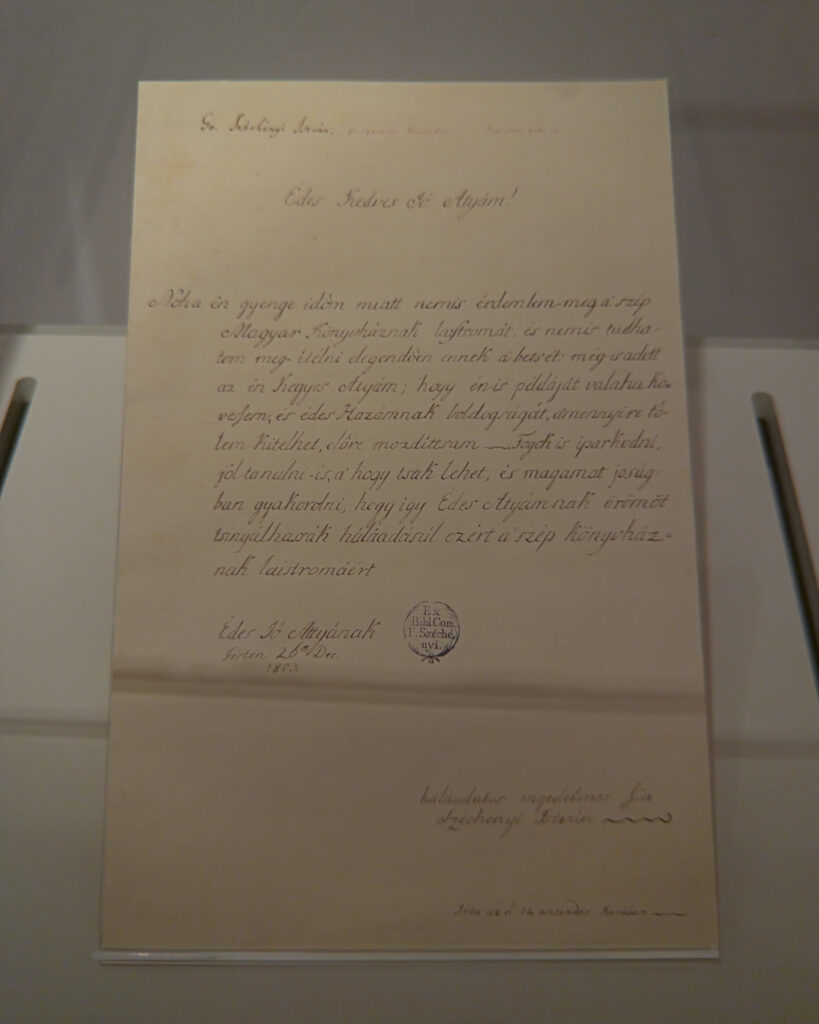
The unparalleled brilliance that defines Nagycenk was not born spontaneously in a single generation. Long before István reshaped the capital city in his grand vision, his father, Count Ferenc Széchenyi, walked these same sprawling, sun-dappled estate grounds. Driven by a profound, almost sacred sense of civic duty and enlightened thinking, Ferenc recognized that true aristocratic wealth was meaningless if not shared with the people. In an unprecedented act of generosity, he donated his immense private collection of thousands of rare books, manuscripts, maps, and priceless antiquities to the nation.
By doing so, Count Ferenc single-handedly founded both the Hungarian National Museum and the National Széchényi Library, establishing the very bedrock of Hungary’s cultural preservation. The Széchenyi family did not just hoard their vast aristocratic wealth and privilege behind heavy, closed wrought-iron gates. Instead, they weaponized their immense privilege for the cultural and intellectual enlightenment of the entire Hungarian population. Walking through the manicured gardens today, that legacy of profound philanthropy and national service still echoes deeply through the grand halls and towering linden avenues of the estate.
ECHOES IN THE HALLWAYS
The Classicist Masterpiece
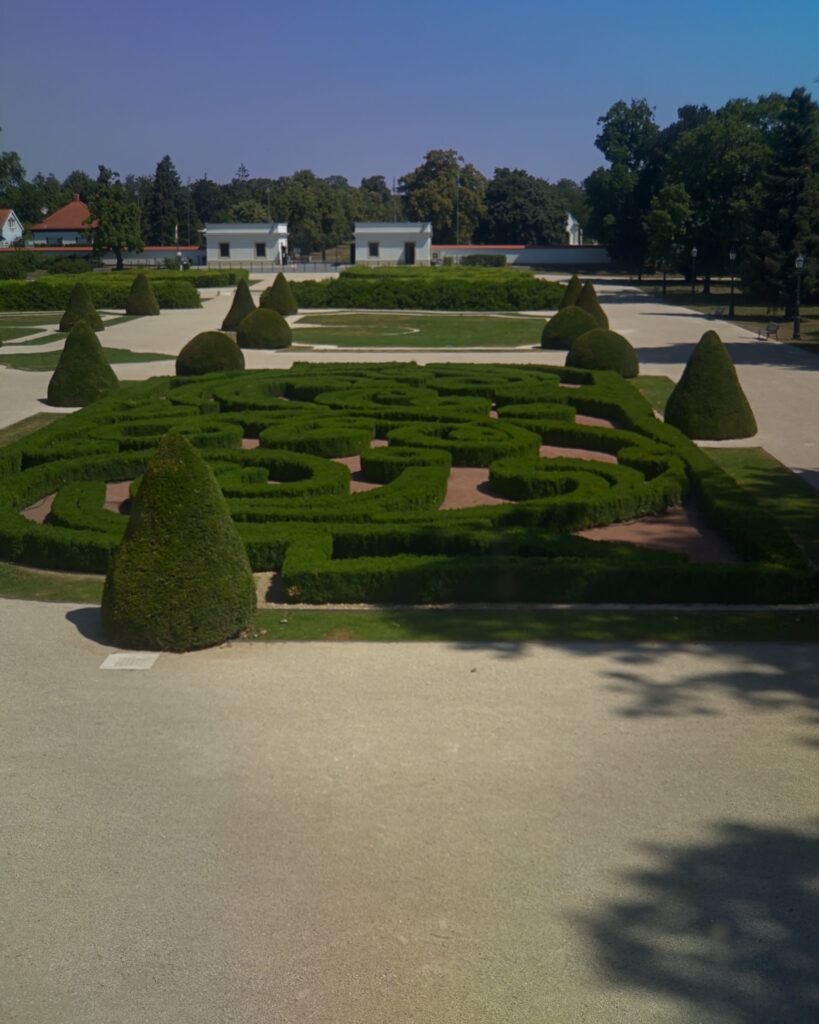
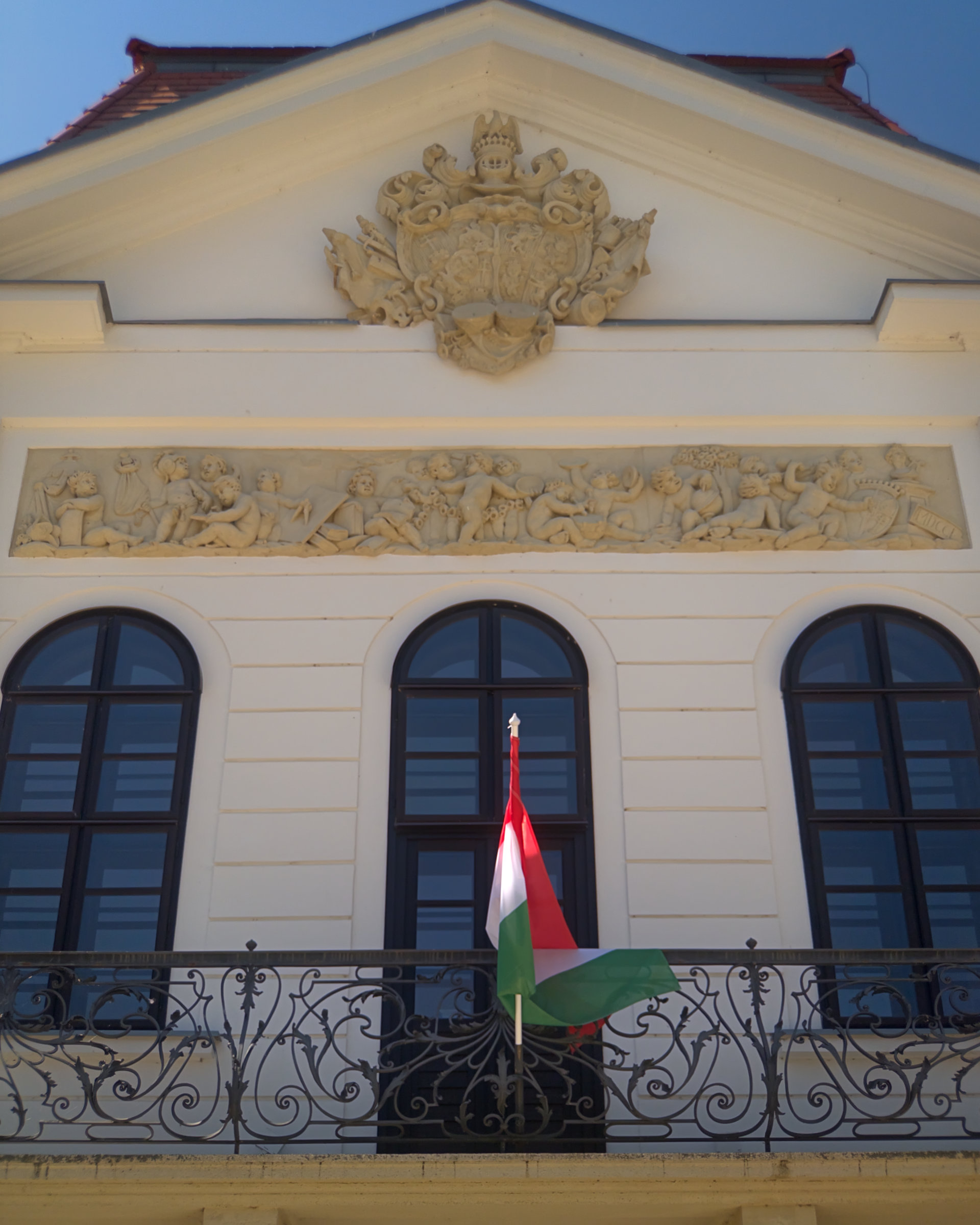
Beyond its monumental, undeniable historical weight, the mansion itself stands as an absolute, breathtaking masterpiece of classical proportions and architectural restraint. From the heavy, sweeping lines of the pristine main facade to the delicate, ornate wrought-iron balconies overlooking the meticulously symmetrical courtyard, every single architectural detail was designed with profound intention. The classicist style, inherently focused on order, reason, and harmony, mirrors the very ideals the Széchenyi family championed.
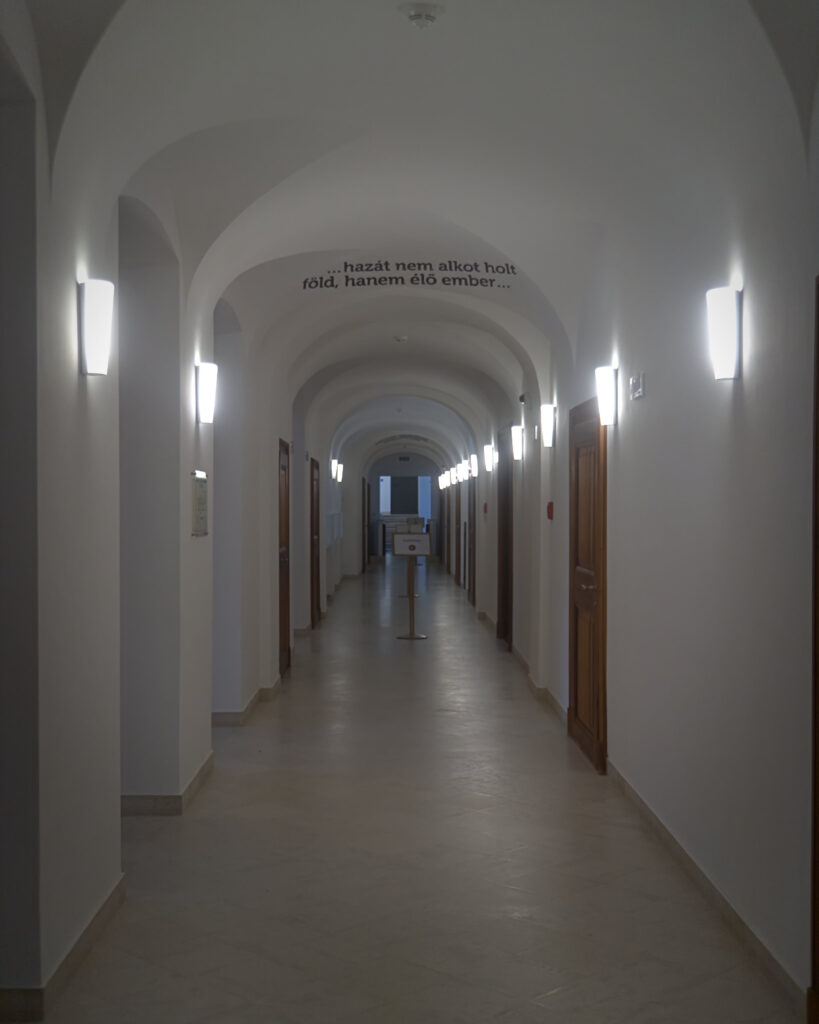
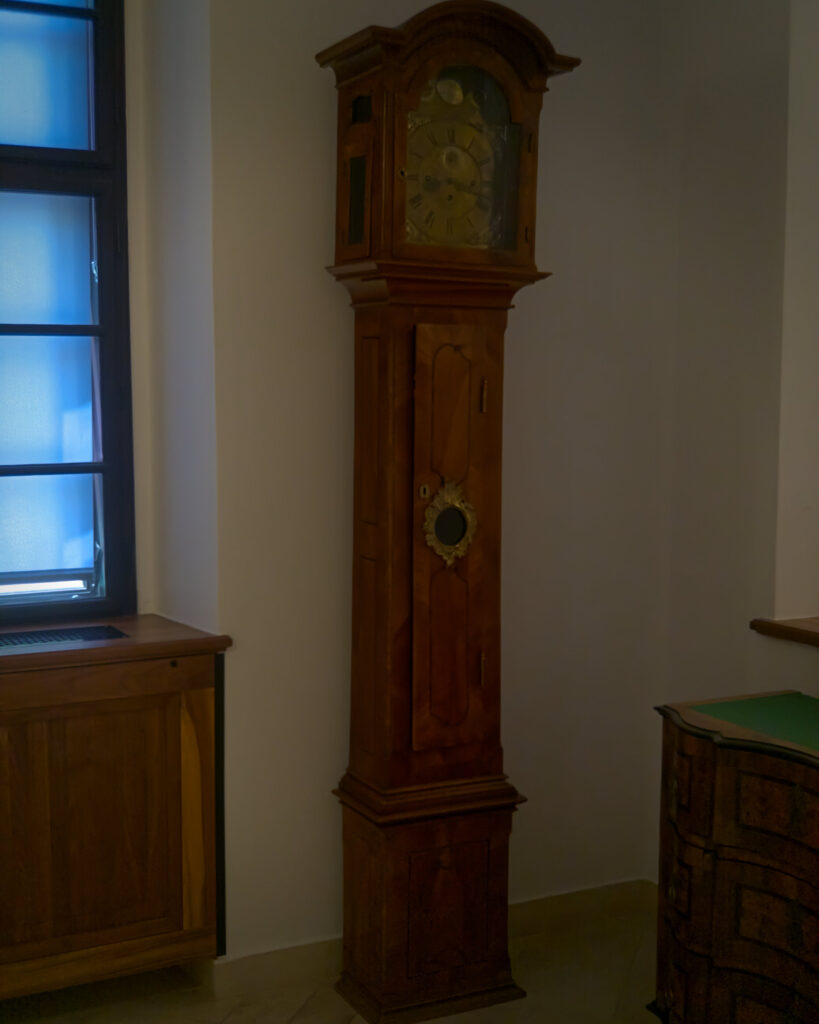
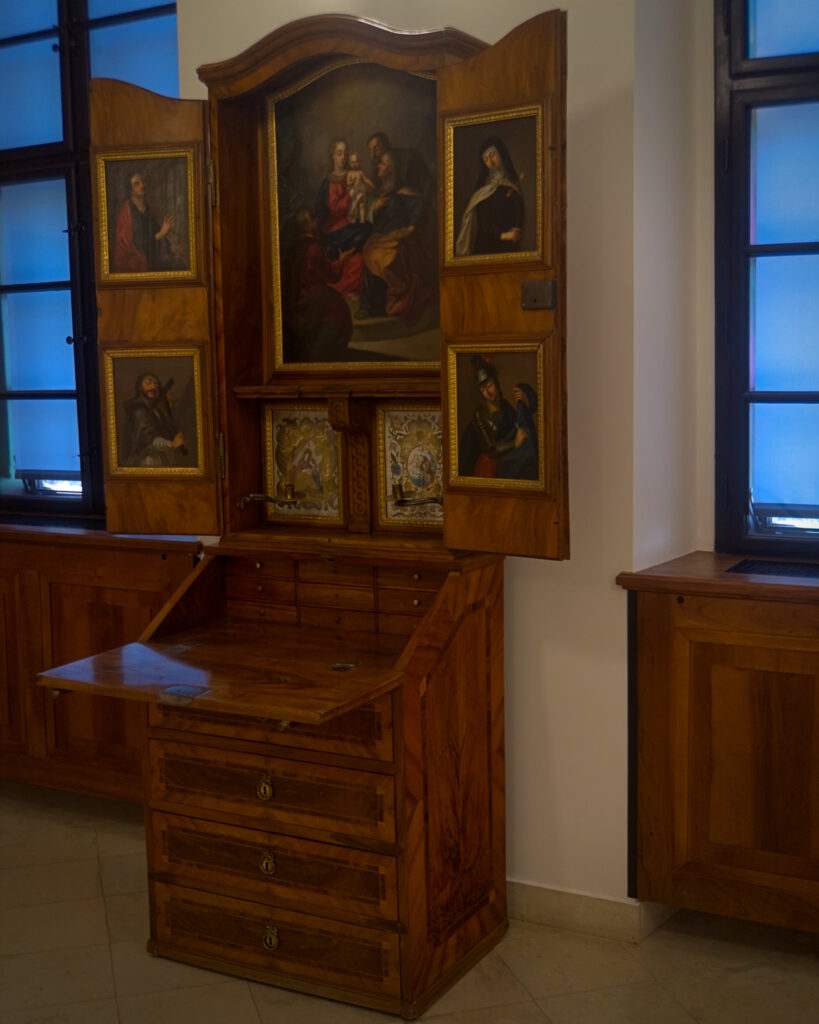
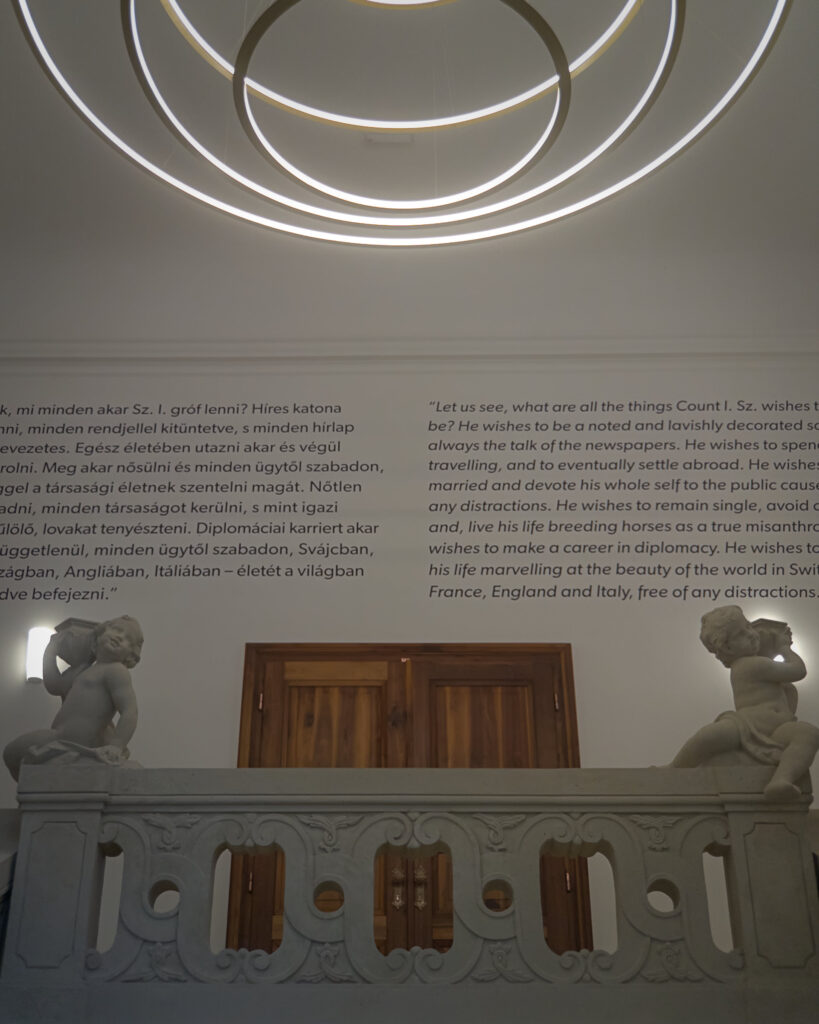
Inside, the muted pastel walls and tall, sun-drenched windows create an atmosphere of deliberate, unbroken tranquility. Sunlight pools beautifully on the parquet floors, lighting up the grand salons where European intellectuals once gathered. It is a highly cinematic space, purposefully engineered so that the aggressive, chaotic noise of the 19th-century political world was completely filtered out at the gates. What remains inside is only the pure, refined elegance and absolute silence necessary to foster deep, visionary thought. The architecture itself actively encourages you to breathe slower, stand taller, and think clearer.
THE RHYTHM OF HOOVES
The Count’s Stud Farm
Leaving the hushed, intellectual quiet of the grand salons, a walk just a few steps across the estate brings a sudden, visceral shift in sensory experience. The rhythmic, heavy strike of hooves against the ancient cobblestone reveals another profound, deeply passionate layer of the Széchenyi legacy. Count István was deeply fascinated by English equestrian culture. He possessed the unique foresight to recognize that advanced horse breeding was not just an aristocratic hobby, but an industry that could absolutely revolutionize Hungarian agriculture, transportation, and society.
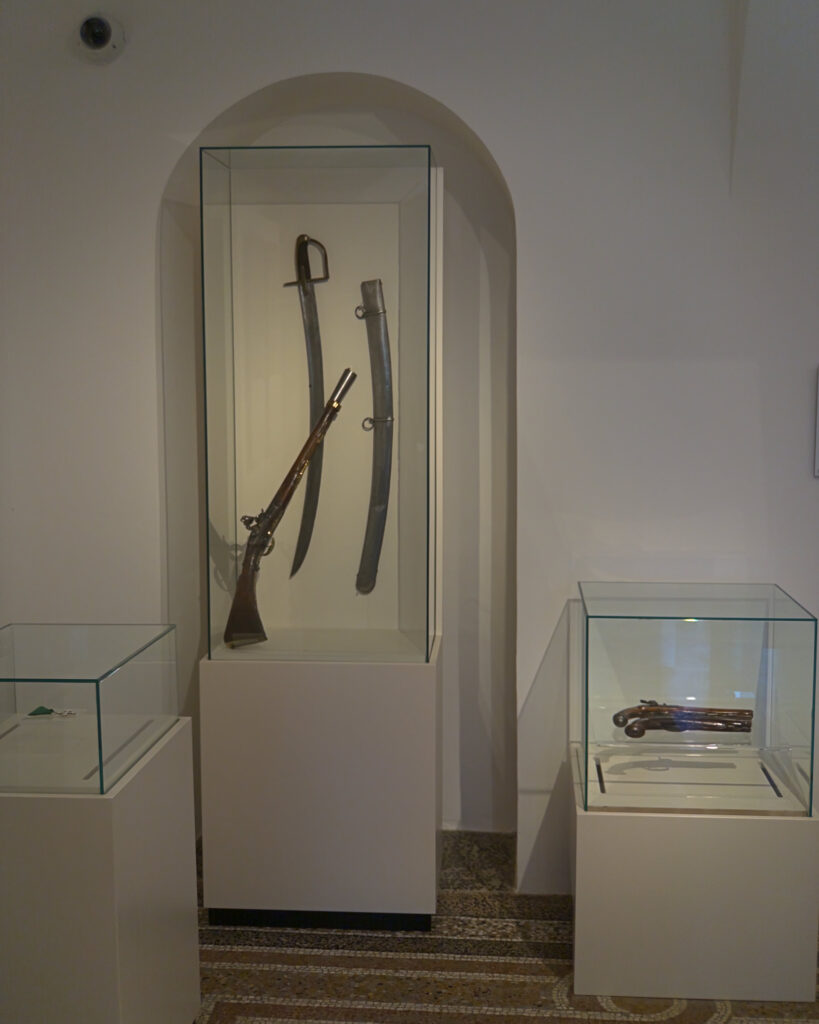
To turn this vision into reality, he established a magnificent stud farm right here on the grounds of Nagycenk. He imported elite thoroughbreds, brought sophisticated English saddles and breeding techniques to the Hungarian countryside, and famously introduced the thrilling spectacle of organized horse racing to the nation. Today, stepping into the immaculately restored stables is a mesmerizing experience. The air still carries the rich, earthy scent of hay and polished leather, and the stalls still hum with that same raw, elegant physical power. It perfectly preserves the count’s lifelong, unyielding devotion to motion, progress, and the majestic, untamed beauty of the horse.
If you can, visit the mansion, the birthplac of the “Greatest Hungarian” Count Istvan Szechenyi.